

You have heard that retinol fixes fine lines, smooths texture, and clears acne. But every time you look for a serum, you find confusing percentages, twenty different brands, and zero clarity on where to start. Worse, you have probably heard the horror stories — peeling, redness, and purging that left someone’s skin worse than before.
Here is the truth. Those stories almost always come from one cause: starting wrong. Using too high a concentration, applying too often, skipping moisturiser, or pairing retinol with the wrong products. The ingredient itself is safe and highly effective when introduced correctly.
As an aesthetic doctor in Islamabad, I guide patients through this every week. This guide covers everything you need to start retinol the right way. It includes the best beginner retinol serums available globally, plus the best options available right here in Pakistan through our clinic store.
Start with a low-concentration encapsulated retinol serum — 0.025% to 0.05% retinol, or 0.05% retinaldehyde. Use it two nights per week on completely dry skin. Always follow with a ceramide moisturiser. Wear SPF 30 or higher every single morning. Give it three full months before judging. The best locally available beginner retinol serum in Pakistan is Retinew Serum — encapsulated 0.5% retinol with Matrixyl 3000 and Squalane, designed for first-time users.
If you want the broader guide covering retinol creams and other formats too, read my full Best Retinol for Beginners: A Dermatologist’s Guide.
What Makes a Good Beginner Retinol Serum?
Not all retinol serums are equal. A product that works well for someone six months in can cause real damage on your first week. Before looking at specific picks, know what separates a beginner-safe formula from everything else.
The first thing to check is concentration. True beginners need 0.025% to 0.05% retinol, or 0.05% retinaldehyde. Anything stronger is built for intermediate or experienced users.
The second is encapsulation. Encapsulated retinol wraps each molecule in a slow-release shell. It delivers the same results but gradually, reducing the irritation, peeling, and redness that cause most beginners to quit in week two. Look for words like “encapsulated,” “microencapsulated,” or “time-release” on the label.
The third is the supporting ingredients. A good beginner serum does not just contain retinol. It pairs it with ceramides, niacinamide, hyaluronic acid, squalane, or panthenol. These support your skin barrier while retinol works on cell turnover. Without them, the formula only does half the job.
The fourth is fragrance-free formulation. Fragrance irritates skin that is already adjusting to a new active. Avoid it entirely while starting out.
The fifth is packaging. Retinol degrades with air and light exposure. Always choose opaque tubes, airless pumps, or dark glass bottles. Clear droppers are a red flag on any retinol product.
A well-formulated 0.05% encapsulated retinol with ceramides will outperform a 0.3% standard formula every time for a beginner. The percentage tells you concentration. The formula tells you how well your skin will actually tolerate it.
Retinol vs Retinaldehyde: Which Should a Beginner Use?
You will see both “retinol” and “retinaldehyde” on serums marketed to beginners. They are not the same thing.
Retinol needs two enzymatic steps before your skin can use it. Retinaldehyde needs only one. This makes retinaldehyde faster, some research suggests up to eleven times faster at equivalent concentrations. It still sits well below prescription tretinoin in irritation level, making it suitable for many beginners who want quicker results without going prescription.
Traditional retinol is the more conservative starting point. It works more slowly but is more forgiving for reactive or sensitive skin. If you have eczema, rosacea, or a history of bad reactions to actives, retinol in a soothing barrier-first formula is safer.
| Active | Conversion Steps | Speed | Best For |
|---|---|---|---|
| Retinyl esters | 3 steps | Slowest | Ultra-sensitive, first contact |
| Retinol | 2 steps | Moderate | Most beginners, conservative start |
| Retinaldehyde (retinal) | 1 step | Faster | Beginners wanting quicker results |
| Tretinoin (prescription) | 0 steps | Fastest | Dermatologist-supervised only |
For most patients, I now recommend starting with a low-concentration retinaldehyde serum over standard retinol. The results come faster and modern encapsulated formulas tolerate well. For those with sensitive or reactive skin, traditional retinol in a ceramide-based formula remains the safer entry point. Learn how to build an active routine alongside retinol in my guide on skin cycling for acne-prone skin.
Best Retinol Serums for Beginners in Pakistan
These are my top picks available through our clinic store. Each one is chosen for low irritation risk, well-formulated ingredients, and real-world results. They target the most common skin concerns I see in Pakistani patients: aging, hyperpigmentation, dark spots, and skin barrier weakness caused by high UV exposure and environmental stress.
Retinew Serum — Encapsulated Retinol 0.5%
This is the retinol serum I recommend most to Pakistani beginners. Retinew uses micro-encapsulation technology — each retinol molecule is wrapped in a protective shell that releases slowly into the skin. The result is the same proven anti-aging power of retinol with significantly less redness, peeling, and irritation. That makes it practical for daily overnight use, even on sensitive skin.
The formula does not stop at retinol. Matrixyl 3000, a clinically studied peptide complex, signals your skin to produce more collagen and elastin. Squalane, a skin-identical lipid, delivers deep non-greasy moisture that prevents the dryness commonly blamed on retinol. Together these three actives address fine lines, skin texture, dark spots, enlarged pores, collagen loss, and uneven tone in one nightly serum.
For first-time users: start at two to three nights per week for the first two to three weeks. Gradually build to nightly use as your skin adjusts. The encapsulated formula makes this transition far smoother than standard retinol. Always apply to completely dry skin, then follow with a light moisturiser.
Derma Planish Serum — 5-Active Hydration Complex
Many beginners make one critical mistake: they start retinol without first repairing their skin barrier. A compromised barrier turns even a gentle retinol into an irritating one. Derma Planish is the serum I recommend alongside retinol for anyone whose skin is dry, dehydrated, or has been damaged by over-exfoliation, harsh products, or Pakistan’s climate.
The formula contains five barrier-supporting actives. Hyaluronic acid plumps skin and fills fine lines with moisture. Ceramides rebuild the protective barrier and lock that moisture in. Hydroline, a premium sustained-hydration ingredient rarely found locally, acts as a continuous moisture reservoir throughout the day. Pro-Vitamin B5 restores suppleness and elasticity. Pantothenic acid supports skin cell regeneration and repair.
Use Derma Planish in the morning after cleansing, before SPF. On retinol nights, apply it after retinol to buffer any dryness and support barrier recovery. It also works as a standalone moisturising serum for days when you are giving your skin a break from active ingredients.
White Wash Serum — Alpha Arbutin + Niacinamide
This covers the biggest content gap in most retinol guides: dark spots and hyperpigmentation as a dedicated beginner concern. In Pakistan, intense UV exposure, hormonal changes, and post-acne scarring make hyperpigmentation nearly universal. Retinol helps over time but it is not the fastest brightening route for someone starting their active skincare journey.
White Wash Serum uses Alpha Arbutin, dermatology’s safest melanin inhibitor, paired with Niacinamide. Alpha Arbutin blocks the enzyme that produces melanin, fading existing dark spots and melasma patches. Niacinamide then reduces the transfer of melanin to surface skin cells, preventing pigment from visibly darkening the skin. Hyaluronic acid keeps the skin comfortable during consistent active use.
Unlike retinol, Alpha Arbutin is not photosensitising. White Wash is safe for morning and evening use. This makes it an ideal companion to a retinol routine: apply White Wash in the morning (plus SPF), and your retinol serum at night. The two actives work in complementary windows for faster, broader results than either ingredient alone.
If post-breakout dark marks are your primary concern, read my guide on niacinamide for acne-prone skin for the full picture on ingredient pairing.
Best International Retinol Serums for Beginners
These are the global products I most often recommend or reference when advising on this category. Each targets a specific beginner need.
Medik8 Crystal Retinal 3
The numbered system (1 through 20) removes all the guesswork. Start at Crystal Retinal 1 or 3, build tolerance over three months, then move to 6. Encapsulated retinaldehyde paired with glycerin, vitamin E, and hyaluronic acid in a serum-balm that absorbs cleanly. Best for beginners who want a clear progression path.
Avene RetrinAL 0.05 Serum
Avene’s thermal spring water base is genuinely calming. At 0.05% retinaldehyde, it is officially marketed as a first retinoid and has clinical data supporting tolerance on reactive skin. My top pick for eczema, rosacea, or anyone with a history of active ingredient reactions.
Naturium Retinaldehyde Serum 0.05%
0.05% retinaldehyde paired with niacinamide, ceramides, and squalane in an opaque airless tube. Fragrance-free. Non-comedogenic. Accessible price. This is what I recommend when someone wants retinaldehyde results but cannot spend on a premium brand. It consistently overdelivers for its price point.
CeraVe Skin Renewing Retinol Serum
Encapsulated retinol plus three ceramides and hyaluronic acid in a cream-serum hybrid. It handles barrier repair and retinol activity simultaneously, which is exactly what dry and barrier-compromised beginners need. Use under a light moisturiser and build from three nights per week.
The Ordinary Retinal 0.2% Emulsion
Technically intermediate in concentration but it tolerates well for acne-prone beginners because of the lightweight emulsion base and strong encapsulation. Start at one to two nights per week and ramp slowly. Pair with niacinamide on the same night to manage any inflammation. Best suited to oily, combination, and acne-prone skin that can handle a slightly faster-acting formula.
Retinol for Dark Spots and Hyperpigmentation
Retinol reduces hyperpigmentation by accelerating cell turnover. It pushes pigmented surface cells out and replaces them with fresh, even-toned ones. Over three to six months, this visibly fades post-acne dark marks, sun spots, and general uneven tone. It is effective. But it is not the fastest brightening route for a true beginner.
The more effective approach for beginners with hyperpigmentation as their primary concern is to run two actives in parallel. Use a dedicated brightening serum in the morning — like White Wash Serum with Alpha Arbutin and Niacinamide — and your retinol serum at night. Alpha Arbutin blocks melanin production. Niacinamide reduces melanin transfer to the skin surface. Retinol accelerates the turnover of already-pigmented cells. All three work on different stages of the same process. The combination delivers faster, more comprehensive results than retinol alone.
The key rule: always apply SPF 30 or higher every morning. Pakistan’s UV index is high throughout the year. Unprotected sun exposure will keep triggering new pigmentation and undo every brightening step you take.
For darker skin tones specifically: retinol is safe and effective for melanin-rich skin. But the risk of post-inflammatory hyperpigmentation from over-irritation is higher. Start at the lowest available concentration. Ramp up more slowly than the standard schedule. Always pair with niacinamide on the same night to reduce redness and pigmentation risk.
Retinol During Pregnancy and Breastfeeding
Do not use any form of retinoid during pregnancy or breastfeeding. This includes over-the-counter retinol, retinaldehyde, retinyl esters, and prescription tretinoin. The medical consensus across dermatology and obstetrics is clear: stop all retinoids when pregnant or trying to conceive, and do not resume until breastfeeding is complete.
Topical absorption is low but no controlled studies confirm safety during pregnancy, and the risk is not worth taking. Most dermatologists advise stopping retinol before conception, not just after a positive test.
Safe alternatives during this period include bakuchiol (a plant-derived retinol alternative with growing clinical evidence), niacinamide, peptides, vitamin C, and azelaic acid. These maintain real skin health without any retinoid risk. After breastfeeding ends, you can resume retinol and continue exactly where you left off.
How to Use a Retinol Serum: The Beginner Routine
The product is only half the picture. How you apply it determines whether it works or causes a problem. These are the exact steps I give patients starting retinol for the first time.
Evening routine — retinol nights
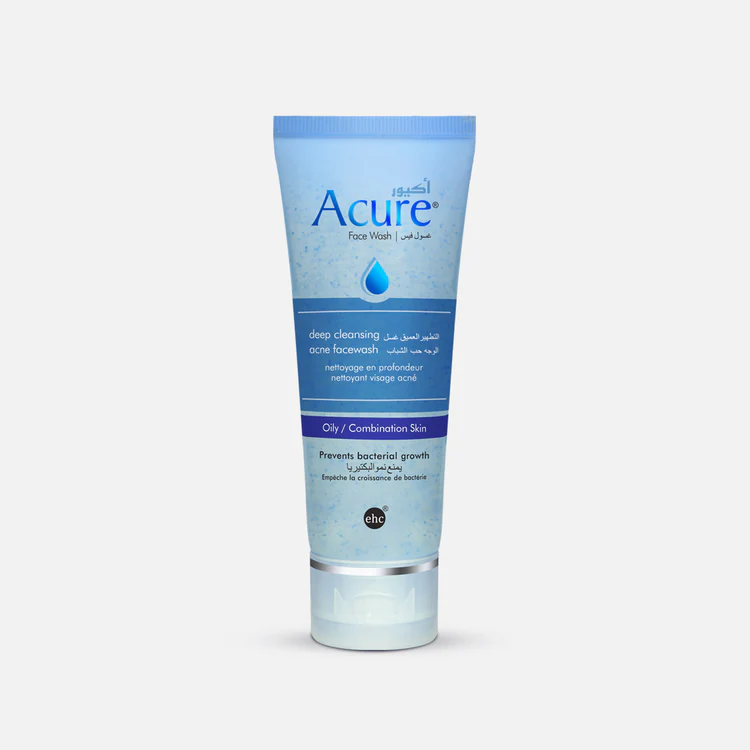
Cleanse gently. Use a fragrance-free, non-stripping cleanser. Remove all SPF and makeup before retinol goes on. The Acure Acne Facewash is a good option for oily and acne-prone beginners — it cleans thoroughly without disrupting the barrier.
Wait 10 to 15 minutes. Your skin must be completely dry. Damp skin increases retinol penetration and irritation dramatically. This is one of the most common and damaging beginner mistakes. Wait the full time.
Apply two to three drops or a pea-size amount. That covers the entire face. Avoid the immediate eye area and corners of the mouth — these are thinner and more prone to irritation. Press in gently rather than rubbing.
Wait five minutes, then moisturise. Apply a barrier-supportive moisturiser over the retinol. This buffers the active without blocking it. Derma Planish Serum works well here as a hydrating layer — its ceramides and Hyaluronic Acid support the barrier while the retinol works underneath.
No other actives on this night. For the first two months: cleanser, retinol, moisturiser. That is the full routine. No vitamin C, no acids, no exfoliants on retinol nights.
Morning after retinol
Gentle cleanser. Keep it simple. No actives in the morning routine while adjusting.
Brightening serum (optional). If dark spots are a concern, this is when White Wash Serum goes on. Alpha Arbutin is safe in the morning and works alongside your nighttime retinol routine.
SPF 30 or higher. Every single morning without exception. Retinol increases UV sensitivity. Skipping SPF undoes the results you are building and can cause new pigmentation on freshly renewed skin. The Unsun Sunblock with Glutathione provides broad-spectrum daily protection and sits comfortably in an active skincare routine.
How often to use retinol
| Week | Frequency | Goal |
|---|---|---|
| Weeks 1 to 2 | 2 nights per week | Build initial tolerance |
| Weeks 3 to 4 | 3 nights per week | Increase if no irritation |
| Weeks 5 to 6 | 4 nights per week | Continue building steadily |
| Weeks 7 to 8 | 5 to 6 nights per week | Approaching nightly use |
| Month 3 onward | Nightly when tolerated | Consider stepping up concentration |
Your goal in the first eight weeks is building tolerance, not seeing visible results. If you can use retinol two nights per week for a full month with no sustained irritation, you have already unlocked long-term consistent use. Results follow from that consistency, not from rushing the schedule.
What Pairs Well With Retinol and What to Avoid
The wrong pairing is the main reason beginners experience irritation and quit. Keep retinol nights simple, especially for the first two months.
- Niacinamide
- Ceramides
- Hyaluronic acid
- Squalane
- Peptides
- Panthenol / Pro-Vitamin B5
- Bakuchiol
- Vitamin C
- AHAs (glycolic, lactic acid)
- BHAs (salicylic acid)
- Benzoyl peroxide
- Physical scrubs
- Fragrance-heavy products
- Prescription tretinoin (never stack)
Niacinamide is the single best ingredient to pair with retinol. It calms the skin, reduces redness, and supports the barrier as it adjusts to the active. For a full breakdown of how niacinamide works in an active routine, read my guide on niacinamide for acne-prone skin.
Vitamin C and retinol are an effective combination — just not on the same night. Use vitamin C in the morning. Use retinol at night. AHAs and BHAs should go on your retinol-off nights only, for the first two months at least.
When Will You See Results?
Most people quit retinol right before the results start showing. Knowing the real timeline keeps you consistent when your skin looks unchanged in week three.
Possible mild dryness and light flaking. This is retinization — your skin adjusting to accelerated cell turnover. No visible results yet. This is completely normal. Do not quit here.
Texture begins to smooth. Pores look slightly smaller. Skin tone starts to even out. A brief purge of existing congestion may occur around week three. This is normal — retinol is clearing congestion that was already there.
Visible fine line softening. Pigmentation fades. Skin looks denser, brighter, and more even. This is the payoff window for consistent users. Retinaldehyde serums reach this stage one to two weeks earlier than retinol serums.
Continued improvement at a slower rate. Consider stepping up to a higher concentration. At this stage, some patients graduate to prescription tretinoin under dermatologist supervision.
5 Common Beginner Mistakes and How to Avoid Them
Most retinol failures come from how the product was used, not from the product itself.
Starting too high. Going straight to 0.5% or 1% because you want faster results is the fastest route to a barrier flare and quitting. Start low. The results come from consistency, not strength. Even Retinew Serum at 0.5% uses encapsulated delivery specifically to make this concentration safe for beginners.
Using it every night from day one. Daily use from the start almost guarantees peeling and redness by week three. Your skin needs time to build tolerance. Follow the ramp-up schedule.
Applying to damp skin. Wet skin absorbs significantly more active ingredient per application. This means more irritation, not better results. Always wait 10 to 15 minutes after cleansing before applying retinol.
Layering acids or vitamin C on the same night. Stacking actives on retinol nights stacks irritation without adding meaningful benefit, especially in the first two months. Keep retinol nights simple.
Skipping SPF. Retinol increases photosensitivity. If you skip sunscreen the morning after retinol use, you are undoing your results and risking new pigmentation on freshly renewed skin. SPF is not optional alongside any retinoid routine.
Best Retinol Serum by Skin Type
| Skin Type | Best Pick | Starting Concentration |
|---|---|---|
| Sensitive / rosacea | Avene RetrinAL 0.05 | 0.05% retinaldehyde |
| Dry / barrier-damaged | Retinew Serum + Derma Planish (moisturiser) | Encapsulated retinol 0.5% |
| Oily / acne-prone | The Ordinary Retinal 0.2% or Retinew Serum | Start slow, 2 nights/week |
| Hyperpigmentation focus | Retinew Serum (PM) + White Wash Serum (AM) | Run both in parallel |
| Normal / resilient | Retinew Serum or Medik8 Crystal Retinal 3 | Encapsulated 0.5% retinol |
| Mature skin (40+) | Retinew Serum — Matrixyl 3000 for collagen | Nightly after tolerance builds |
Retinol Purging vs a Real Reaction
One of the most common panicked messages I receive: “My skin broke out after starting retinol. Did I do something wrong?”
Purging is normal. It looks like small whiteheads or comedones in areas where you already typically break out. It appears within the first four to six weeks, peaks around week three, and resolves on its own without changing your routine. Retinol speeds up cell turnover and brings existing clogged pores to the surface faster than they would have appeared on their own. If your skin is purging, give it eight weeks before making any decision.
A reaction is different. You will see redness, burning, itching, or hive-like bumps. Breakouts appear in areas where you do not usually get them. Peeling continues past week four and does not improve. Symptoms worsen over time rather than settling down. If this is your experience, reduce frequency to once or twice per week, add more moisturiser, and reassess in four weeks. If it continues, book a consultation.
The simple rule: if it looks like your normal acne but more of it, give it eight weeks. If your skin is inflamed and red in new areas, dial back immediately. For full guidance on managing an active-prone skin routine, my guide on skin cycling for acne-prone skin covers exactly how to structure this.
Frequently Asked Questions
The Bottom Line
The best retinol serum for beginners is the one you will actually use consistently, at the right concentration, with the right supporting routine behind it. Start low. Apply to dry skin. Moisturise after. Wear SPF every morning. Give it three months.
For Pakistani skin specifically, the combination I recommend most is: Retinew Serum at night for anti-aging and texture, White Wash Serum in the morning for dark spots and hyperpigmentation, and Derma Planish Serum as the moisturising layer on retinol nights to keep the barrier supported. This three-product routine targets the three most common skin concerns I see in clinic: aging, pigmentation, and barrier weakness from environmental stress.
Explore our full range of doctor-selected skin care products for everything you need to build a complete, effective routine.
Not sure which serum is right for your skin? Get a personalised recommendation from Dr. Kiran Shaheer.