

You have tried every acne product available. A salicylic acid toner on Monday. A retinol on Wednesday. An acid mask over the weekend. Your bathroom shelf is full. But your skin is still breaking out, or it is red, dry, and reactive all the time.
The problem is rarely the products. The problem is the schedule. Acne-prone skin is highly sensitive to inflammation. When you layer too many active ingredients at once, or use them every night without rest, you damage the skin barrier. A damaged barrier loses its ability to regulate oil, fight bacteria, and heal existing breakouts. You end up treating acne while simultaneously creating the conditions that cause more of it.
Skin cycling solves this. It is a structured nighttime routine introduced by American dermatologist Dr. Whitney Bowe. You use active ingredients on specific nights and give your skin dedicated recovery nights in between. For acne-prone skin, this balance produces more consistent results than aggressive daily use because the barrier stays intact long enough for real healing to happen.
This guide covers the standard 4-night cycle, the advanced 7-night routine for persistent acne, a clear product comparison table, seasonal adjustments, and the most common mistakes that prevent results.
Skin cycling for acne-prone skin is a rotating nighttime routine. The standard version uses 4 nights: salicylic acid on Night 1, a retinoid on Night 2, and barrier-repair recovery on Nights 3 and 4. The advanced version extends to 7 nights with more retinoid nights and a dedicated repair night. Both approaches reduce irritation, protect the skin barrier, and deliver better long-term acne control than daily active use.
- Why skin cycling works for acne: the inflammation science
- The 4-night skin cycling routine for acne-prone skin
- Night 1: salicylic acid exfoliation
- Night 2: retinoid application
- Recovery nights: barrier repair
- Product comparison table: night-by-night guide
- The 7-night advanced cycle for persistent acne
- Morning routine during skin cycling
- Adjusting the cycle for your skin type
- Seasonal and lifestyle adjustments
- Common mistakes to avoid
- Frequently asked questions
Why Skin Cycling Works for Acne: The Inflammation Science
To understand why skin cycling helps acne-prone skin, you need to understand what actually triggers a breakout. Acne is not caused by dirt. It starts when a pore becomes blocked by dead skin cells and sebum. Bacteria called Cutibacterium acnes then grow inside that blocked pore. The body responds to the bacteria with inflammation. That inflammation is what turns a clogged pore into a red, raised pimple.
Retinoids and chemical exfoliants are the two most effective ingredients for acne. But both increase skin sensitivity and cell turnover. Used too frequently, they inflame the skin barrier itself. This creates external inflammation that sits on top of the existing internal inflammation from the acne. The result is a skin that is simultaneously breaking out and reacting to its own routine. Skin cycling prevents this by separating active nights with mandatory recovery, keeping external inflammation low so internal healing can proceed.
The recovery nights in a skin cycling routine are not passive. They are the nights when the skin rebuilds its ceramide layer, restores moisture balance, and reduces the surface redness caused by active ingredients. A strong barrier means better tolerance of retinoids over time, which means you can use them consistently without quitting due to irritation. Long-term consistency with a retinoid is one of the most important factors in clearing acne and preventing new breakouts.
The 4-Night Skin Cycling Routine for Acne-Prone Skin
This is the starting point for most people. It is suitable for anyone new to skin cycling, new to retinoids, or dealing with mild to moderate acne. The schedule repeats continuously. After Night 4, you go back to Night 1.
Chemical Exfoliation
Salicylic acid (BHA) to clear clogged pores, dissolve sebum plugs, and remove dead skin cells. This primes the skin for Night 2.
Retinoid
Retinol or prescription retinoid to accelerate cell turnover, unclog pores deeper, and reduce post-acne pigmentation over time.
Recovery
No actives. Ceramides, hyaluronic acid, or niacinamide only. Let the barrier repair from the previous two nights.
Recovery
Repeat Night 3. Oily or acne-prone skin may only need one recovery night once the skin has adapted to the cycle.
Your morning routine stays the same every day regardless of which night of the cycle you are on. A gentle cleanser, a lightweight moisturiser, and a broad-spectrum SPF 30 or higher. The SPF is not optional. Both salicylic acid and retinoids increase UV sensitivity. Skipping sunscreen during the day undoes what the cycle is building at night.
Night 1: How to Use Salicylic Acid in Skin Cycling
Salicylic acid is a beta hydroxy acid, or BHA. It is oil-soluble. This means it can pass through the sebum inside a pore and dissolve the debris that causes congestion and blackheads from the inside out. Alpha hydroxy acids like glycolic acid work only on the skin surface. They are better for texture, dullness, and early ageing. For acne and clogged pores, salicylic acid at 2 percent is the most targeted option.
How to Apply It on Night 1
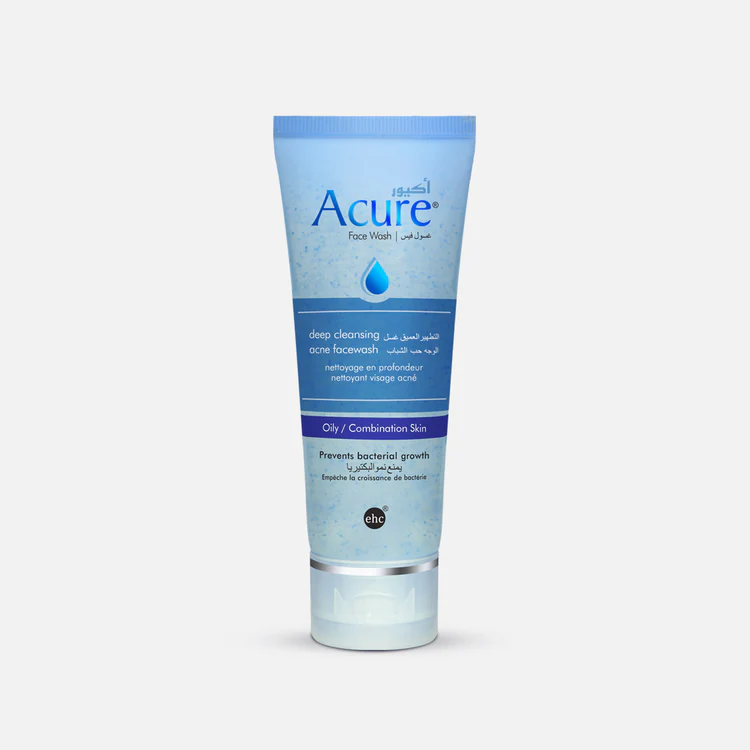
Cleanse your face with a gentle, non-stripping face wash. The Acure Acne Facewash is a good daily cleanser for acne-prone skin because it removes excess oil and surface bacteria without disrupting the barrier. Pat your skin completely dry before applying the BHA. Do not apply salicylic acid to damp skin. Moisture increases the depth of penetration and causes more irritation than needed. Wait two to three minutes after application. Follow with a simple lightweight moisturiser. Nothing else is needed on Night 1.
Night 2: How to Use a Retinoid for Acne-Prone Skin
Retinoids are the most studied topical ingredient in dermatology for acne. They work at the cell level. They accelerate the shedding of dead skin cells, prevent pores from clogging, reduce the bacteria environment inside pores, and fade post-acne marks by stimulating new, evenly pigmented skin. Night 2 is the most important night in the entire cycle.
OTC Retinol vs Prescription Retinoid
Over-the-counter retinol converts slowly into retinoic acid inside the skin. This makes it gentler and a sensible starting point if you have never used a retinoid before. Prescription tretinoin and adapalene work directly as active retinoic acid and produce faster, more consistent results for acne. Adapalene 0.1 percent is available without a prescription in some countries and is well tolerated for long-term use. Tretinoin is stronger and the best option for persistent or moderate acne under dermatologist guidance.
If you are choosing your first retinoid, my guide on the best retinol for beginners walks through how to pick the right strength for your skin.
How to Apply It on Night 2
Cleanse and pat skin completely dry. Apply a pea-sized amount across the entire face. More product does not produce faster results. It only increases irritation. If your skin is very sensitive or new to retinoids, use the sandwich method: apply a thin layer of moisturiser first, then the retinoid, then another layer of moisturiser on top. This slows absorption and significantly reduces the chance of peeling and redness during the adjustment period.
Recovery Nights: What to Use and Why They Matter
Recovery nights are the most misunderstood part of skin cycling. Many people treat them as optional or skip them when skin feels good. This is a mistake. Barrier damage from actives accumulates before it becomes visible. By the time your skin looks red and reactive, the barrier has already been compromised for days.
On recovery nights, use products that contain ceramides, hyaluronic acid, or niacinamide. These three ingredients work together to rebuild the skin’s lipid barrier, restore hydration, and reduce surface redness. Avoid anything that exfoliates or stimulates cell turnover on these nights. No acids, no retinoids, no vitamin C, no enzyme masks.
Niacinamide is particularly valuable on recovery nights for acne-prone skin. It calms post-acne redness, regulates sebum production, and supports the barrier all at the same time. It does not interfere with the active ingredients from the previous nights. For a full breakdown of how this ingredient works for acne, see my guide on niacinamide for acne-prone skin.
For oily or acne-prone skin, one recovery night is enough once the skin has adapted to the cycle. If your skin still feels dry, tight, or sensitive after Night 3, keep two recovery nights before returning to Night 1.
Product Comparison Table: Night-by-Night Guide
This table covers what to use each night, which ingredient to look for, and why it is the right choice for acne-prone skin. Products linked below are available at drkiranshaheer.com or through your dermatologist.
| Night | Active / Ingredient | Best Product Type | Why It Works for Acne |
|---|---|---|---|
| Night 1 Exfoliation |
Salicylic acid 2% (BHA) | Leave-on toner or serum. Cleanser with salicylic acid also works for sensitive skin. | Oil-soluble. Penetrates into the pore lining and dissolves sebum plugs from inside. Reduces blackheads and congestion. |
| Night 2 Retinoid |
Adapalene 0.1%, tretinoin, or encapsulated retinol 0.3 to 0.5% | Gel or lotion. Avoid comedogenic bases. Encapsulated retinol reduces irritation without reducing efficacy. | Increases cell turnover, prevents pore blockage, reduces post-acne pigmentation, and regulates oil production over time. |
| Night 3 Recovery |
Niacinamide 5 to 10%, ceramides, hyaluronic acid | Lightweight serum followed by an oil-free, non-comedogenic moisturiser. | Niacinamide calms redness and regulates sebum. Ceramides rebuild the barrier. Hyaluronic acid restores hydration without adding oil. |
| Night 4 Recovery |
Same as Night 3. Add peptides if skin feels depleted. | Peptide serum or barrier cream. Non-comedogenic. Fragrance-free. | Peptides support collagen and skin structure. They do not exfoliate or irritate. Safe for the most reactive nights. |
| Every Morning Protection |
SPF 30 to 50, broad spectrum. Vitamin C serum optional. | Lightweight, oil-free sunscreen. Gel or fluid texture for acne-prone skin. | Retinoids and acids increase UV sensitivity. SPF protects results and prevents new pigmentation. See the Anti UV Cream for daily use. |
The 7-Night Advanced Cycle for Persistent Acne
The 4-night cycle is the right starting point. But once your skin has adapted, it may not be enough for moderate or persistent acne. Using a retinoid only once every four nights means you are using it roughly seven times per month. That frequency is too low for skin dealing with active breakouts that need consistent treatment.
The 7-night advanced cycle solves this. It increases retinoid nights to four per week while still separating them with targeted active nights and a dedicated repair night. This is the cycle that dermatologists use when patients need stronger acne control without moving straight to daily prescription treatment.
When to Upgrade to the 7-Night Cycle
Upgrade when you have completed at least 4 to 6 weeks on the standard 4-night cycle with no persistent irritation, visible peeling, or sensitivity. Your skin should feel stable and adjusted before you increase retinoid frequency. Do not rush this. A consistent 4-night cycle that you maintain for three months will outperform an aggressive 7-night cycle you abandon after two weeks.
The 7-Night Schedule
| Night | Type | Active Used | Purpose |
|---|---|---|---|
| Night 1 | Retinoid | Tretinoin or adapalene | Core acne treatment. Starts the week with cell turnover and pore clearing. |
| Night 2 | Retinoid | Tretinoin or adapalene | Second consecutive retinoid night to build consistency and momentum for active acne. |
| Night 3 | Retinoid | Tretinoin or adapalene | Third retinoid night. Skin should tolerate this if adapted from the 4-night cycle. |
| Night 4 | BHA Exfoliation | Salicylic acid 2% | Pore reset night. Clears congestion that builds up between retinoid nights. Keeps blackheads and sebum plugs under control. |
| Night 5 | Gentle Acid | Lactic acid or niacinamide toner | Targets post-acne pigmentation and uneven tone. Lactic acid is gentler than glycolic and safer after several retinoid nights. |
| Night 6 | Retinoid | Tretinoin or adapalene | Fourth retinoid night of the week. Maintains consistent treatment pressure on acne without hitting the skin every single night. |
| Night 7 | Dedicated Repair | Peptide ampoule or PDRN serum + barrier cream | Full recovery night. No actives at all. Heavy barrier repair to sustain the entire week of treatment. This night keeps the cycle sustainable long term. |
Why the 7-Night Cycle Works Better for Active Acne
Four retinoid nights per week produces more consistent pore clearance and faster fading of post-acne marks than one retinoid night every four days. The BHA night on Night 4 prevents congestion from building up between retinoid sessions. The gentle acid on Night 5 addresses pigmentation without the aggressive irritation of glycolic acid after a stretch of retinoid use. The dedicated repair night on Night 7 is what keeps all of this sustainable. Without it, four retinoid nights per week will inflame the barrier within a few weeks.
For acne that leaves dark marks and pigmentation, the combined action of retinoids at night and vitamin C in the morning is particularly effective. I explain this pairing in detail in my guide on how to get rid of acne blemishes and dark spots.
Your Morning Routine During Skin Cycling
Skin cycling is a nighttime routine. The morning routine does not change based on which night of the cycle you completed. It stays the same every day and has one job: protect the skin while the overnight actives do their work.
Cleanse with a gentle face wash that removes overnight product residue without stripping the barrier. Apply a vitamin C serum if you want to address post-acne marks and pigmentation from the outside while your retinoid works on it from the inside. Vitamin C and retinoids target pigmentation through different pathways, so using both increases the overall effect. Follow with a lightweight, non-comedogenic moisturiser. Finish with SPF 30 or higher, every morning, without exception.
Do not add extra actives to the morning routine during skin cycling. The nighttime schedule already carries enough treatment load. Morning is for protection, not additional treatment. Overloading the skin from both ends is what causes the barrier damage that skin cycling is designed to prevent.
Adjusting Skin Cycling for Your Acne Skin Type
The standard 4-night schedule works as a starting point for most people. But acne-prone skin is not one single condition. Here is how to adjust the cycle based on your specific skin type.
| Skin Type | Cycle Adjustment | Product Notes |
|---|---|---|
| Oily and acne-prone | Classic 4-night cycle. Reduce to 3 nights (1 recovery) once the skin adapts. Progress to the 7-night cycle after 4 to 6 weeks. | Salicylic acid for Night 1. Medium-strength retinoid for Night 2. Oil-free, gel-based moisturiser on recovery nights. |
| Sensitive and acne-prone | Extend to 5 or 6 nights with 2 to 3 recovery nights. Do not progress to the 7-night cycle until skin tolerates the 4-night cycle for at least 8 weeks. | Replace salicylic acid with lactic acid or mandelic acid on Night 1. Start retinoid at 0.1 percent adapalene. Use the sandwich method on Night 2. |
| Combination with acne | Standard 4-night cycle. Apply BHA only to the T-zone on Night 1. Apply retinoid only to oily or breakout-prone areas at first. | Use two different moisturisers if needed: lighter on the T-zone, richer on the cheeks. Adjust zone by zone, not the overall schedule. |
| Hormonal or cystic acne | Start with the 4-night cycle. Consistent retinoid use is more important than cycle length for hormonal acne. Skin cycling alone is unlikely to be enough. | Consult a dermatologist for prescription retinoid strength and whether additional treatment (oral or topical) is needed alongside the cycling routine. |
Seasonal and Lifestyle Adjustments
Skin cycling is not a fixed protocol. Your skin’s needs change with the seasons, with hormonal shifts, and with life circumstances. Adjusting the cycle to match these changes is what keeps it effective year-round.
| Situation | How to Adjust |
|---|---|
| Summer heat and humidity | Switch to lighter moisturisers on recovery nights. Use a non-comedogenic, water-based SPF in the morning. Increase BHA night frequency if congestion worsens from sweat and excess oil. Avoid heavy barrier creams that trap heat. |
| Winter dryness | Add an extra recovery night, even for oily skin. Use a slightly richer moisturiser on recovery nights. Cold air disrupts the barrier faster than summer humidity. Reduce retinoid strength temporarily if flaking increases. |
| Hormonal flare (pre-period) | Expect more congestion in the week before menstruation. Do not add more actives. Extend recovery nights if skin feels reactive. Consistency with the existing routine matters more than adding new treatments during a flare. |
| After sun exposure or sunburn | Pause exfoliation and retinoid nights until the skin has fully recovered. Sun-damaged skin has a compromised barrier. Applying actives on top of sunburn significantly increases irritation and pigmentation risk. Return to the cycle only when skin feels calm and normal again. |
| High stress periods | Stress elevates cortisol, which increases oil production and inflammation. If breakouts worsen during stressful periods, extend recovery nights rather than adding more actives. A sustainable, lower-intensity routine during stress outperforms an aggressive one you cannot maintain. |
| After in-clinic treatments | Pause skin cycling for 5 to 7 days after chemical peels, laser treatments, or microneedling. These treatments sensitise the skin significantly. Reintroduce the cycle starting with one recovery night before resuming actives. |
Common Skin Cycling Mistakes for Acne-Prone Skin
Applying exfoliant to damp skin. Moisture increases the penetration depth of salicylic acid. On acne-prone skin that is already sensitive, this causes redness and irritation beyond what the ingredient needs to do its job. Always wait until skin is fully dry after cleansing before applying Night 1.
Using BHA and retinoid on the same night. Both increase cell turnover and skin sensitivity. Layering them causes more barrier disruption than either ingredient alone. Skin cycling exists precisely to prevent this. Keep them on separate nights.
Skipping recovery nights when skin feels fine. Barrier damage from actives accumulates before it becomes visible. Skipping recovery nights because skin looks okay is how people end up with a reactive, sensitised skin three weeks later. Recovery nights are preventive, not reactive.
Starting with too strong a retinoid. Jumping to tretinoin without prior retinoid use causes significant purging and irritation. This leads most people to quit within two weeks. Start with 0.1 percent adapalene or a low-dose encapsulated retinol. Build up slowly over 6 to 8 weeks.
Upgrading to the 7-night cycle too soon. The 7-night cycle requires a skin that has already adapted to retinoids. Moving to four retinoid nights per week before adaptation is complete will cause persistent irritation and more breakouts, not fewer.
Adding vitamin C or other actives on recovery nights. Vitamin C belongs in the morning routine. Applying it on recovery nights adds unnecessary stimulation when the skin needs to repair. Keep recovery nights passive. One or two gentle, non-active products only.
Expecting results in one week. Retinoids take 4 to 6 weeks to show texture improvement. Post-acne marks and pigmentation require 8 to 12 weeks. Do not abandon the cycle or switch products before it has had enough time to work.
Frequently Asked Questions
Is skin cycling good for acne-prone skin?
Yes. Skin cycling is well-suited to acne-prone skin because it uses strong actives like retinoids and salicylic acid in a structured schedule with built-in recovery nights. This prevents the barrier damage that triggers inflammation and new breakouts. It produces better long-term results than using actives every single night.
Can I use BHA and retinol on the same night?
Not recommended for most people. Both increase cell turnover and skin sensitivity. Using them together raises irritation risk without adding extra benefit. Skin cycling separates them onto different nights specifically to avoid this problem.
How long does skin cycling take to clear acne?
Most people see smoother texture and fewer new breakouts within 4 to 6 weeks. Post-acne marks and pigmentation take longer, usually 8 to 12 weeks of consistent cycling to visibly fade.
How many recovery nights do I need for acne-prone skin?
One recovery night is usually enough for oily or acne-prone skin. Sensitive or combination skin types benefit from two recovery nights. If skin feels dry or reactive, add a recovery night rather than pushing through with actives.
When should I upgrade from the 4-night to the 7-night cycle?
Upgrade when you have used the 4-night cycle consistently for 4 to 6 weeks with no persistent irritation, flaking, or sensitivity. Your skin should feel stable and adjusted before you increase retinoid frequency to four nights per week.
Can skin cycling cause purging?
Retinoids can cause a short purging phase in the first few weeks as cell turnover increases. This is normal and temporary. Skin cycling reduces this risk because the retinoid is used only every fourth night at the start, giving the skin time to adjust gradually before frequency increases.
Does skin cycling work for hormonal acne?
Skin cycling helps manage hormonal acne but is not sufficient on its own for most people. Consistent retinoid use within the cycle addresses surface symptoms well. The underlying hormonal trigger usually requires a separate treatment plan from a dermatologist.
Should I do skin cycling in summer and winter differently?
Yes. In summer, use lighter moisturisers and a non-comedogenic SPF. In winter, add an extra recovery night and switch to a slightly richer moisturiser. Skin needs more barrier support in cold weather. Adjusting the cycle seasonally keeps it effective year-round.
Is skin cycling safe if I have cystic acne?
Skin cycling is supportive but not sufficient for cystic or nodular acne. This level of acne usually needs prescription-strength treatment and a proper consultation. Do not rely only on skin cycling for cystic breakouts without seeing a doctor first.
The Bottom Line
Skin cycling works for acne-prone skin because it addresses the most common reason skincare routines fail: too many actives, used too often, with no time for recovery. The 4-night structure gives your skin salicylic acid to clear pores, a retinoid to drive consistent cell turnover, and recovery nights to keep the barrier strong enough for both ingredients to keep working.
The 7-night advanced cycle builds on this by increasing retinoid frequency to four nights per week, adding a targeted acid night for pigmentation, and protecting it all with a dedicated repair night. It is the next step once the skin has adapted and needs stronger, more consistent acne control.
Start with the 4-night cycle. Pair it with a gentle morning routine and daily SPF. Give the routine at least 6 weeks before judging the results. If your acne is cystic, hormonal, or not improving with consistent effort, that is the right time to get a proper consultation, not a reason to add more products to your shelf.
Clearer skin comes from a smarter routine, not a busier one.
Not sure which products or which cycle length is right for your skin? Browse dermatologist-selected acne care or book a consultation for a personalised routine.