
You have heard retinol can fix fine lines, smooth uneven skin, and clear acne. But every time you try to pick a product, you find twenty options, confusing percentages, and no clear answer on where to start. Most people end up doing nothing. Or they start wrong, their skin peels and burns, and they quit in week two.
The problem is not retinol. The problem is how most guides talk about it. They overwhelm you with choices instead of giving you a simple starting point.
This guide does things differently. As an aesthetic doctor, I see beginners struggle with retinol every week. This is the same advice I give in clinic, simplified and made easy to follow at home.
Start with a low-concentration retinol serum (0.025% to 0.05%) or a retinaldehyde serum (0.05%). Use it two nights per week. Always apply to dry skin. Always follow with a moisturizer. Always wear SPF in the morning. Give it three months before judging results.
What Is Retinol and How Does It Work?
Retinol is a form of vitamin A. When applied to skin, it signals your skin cells to behave more like younger, healthier cells. It speeds up cell turnover, boosts collagen production, and helps clear clogged pores. Over time, this shows up as smoother texture, fewer fine lines, more even skin tone, and clearer skin.
Here is the part that confuses most beginners. Retinol is not the active form of vitamin A. Your skin has to convert it into retinoic acid before it can actually work. The more conversion steps required, the gentler and slower the ingredient behaves. This is why beginners are advised to start with retinol rather than prescription tretinoin.
The conversion chain, from gentlest to strongest, looks like this:
| Form | Conversion Steps | Strength Level | Who It Suits |
|---|---|---|---|
| Retinyl esters | 3 steps | Very gentle | Ultra-sensitive or first-time users |
| Retinol | 2 steps | Mild | Most beginners |
| Retinaldehyde (retinal) | 1 step | Moderate | Beginners wanting faster results |
| Tretinoin (retinoic acid) | 0 steps — already active | Strong | Prescription only, dermatologist-guided |
For most beginners, retinol and retinaldehyde are the right starting zone. They deliver real results without the level of irritation that comes with prescription-strength options.
Retinol vs Retinal: Which One Should a Beginner Use?
This is the most common question beginners ask. The short answer is: it depends on your skin type and your goal. Both work. The difference is speed and how well your skin handles actives.
Choose Retinol If
Your skin is sensitive or reactive. You have eczema, rosacea, or a history of bad reactions to skincare actives. You want the most studied, conservative starting point. You are nervous about starting retinoids for the first time.
Choose Retinal (Retinaldehyde) If
You tolerate actives reasonably well. You want faster visible results. You are stepping down from a prescription retinoid and need something effective but gentler. Retinaldehyde is one conversion step closer to the active form your skin uses. Some research suggests it may work up to eleven times faster than retinol at the same concentration. However, modern encapsulated formulas have closed much of the irritation gap between the two.
I generally recommend starting with a low-concentration retinaldehyde over low-concentration retinol. The results come faster and the modern formulas are gentle enough for most first-time users. If you have eczema, rosacea, or very reactive skin, start with traditional retinol in a barrier-supporting formula instead.
What Percentage of Retinol Should a Beginner Start With?
The number on the bottle matters. But it is not the only thing that matters. A 0.3% retinol in a poorly formulated serum can be more irritating than 1% retinol in a well-buffered cream. Always look at the full formula, not just the percentage.
That said, here is a clear starting guide based on the active ingredient:
| Strength | Active | Best For | Starting Frequency |
|---|---|---|---|
| 0.025% to 0.05% | Retinol | True beginners, sensitive skin | 2 nights per week |
| 0.05% to 0.1% | Retinaldehyde | Beginners wanting faster results | 2 to 3 nights per week |
| 0.1% to 0.3% | Retinol | Intermediate users | 3 to 4 nights per week |
| 0.3% to 0.5% | Retinol | Acclimated skin, stronger anti-aging | 4 to 5 nights per week |
| 0.5% to 1% | Retinol | Long-term users | Nightly, built up over months |
Note on retinaldehyde percentages: retinal is labeled in smaller numbers because it is more potent per unit. A 0.05% retinaldehyde is roughly equivalent in effect to 0.1% to 0.2% retinol. Do not compare the numbers across different active types directly.
What Is Encapsulated Retinol and Why Does It Matter?
Encapsulated retinol is wrapped inside a tiny protective shell. This shell slowly releases the active ingredient into your skin over time, rather than all at once. For beginners, this is important.
Standard retinol hits the skin in a single dose. This can cause the burst of redness, stinging, and peeling that makes many beginners quit in week two. Encapsulated retinol delivers the same active gradually. The result is similar efficacy with far less irritation.
To find out if a product is encapsulated, look at the label. It will say “encapsulated retinol,” “microencapsulated,” “time-release,” or “retinol in lipid matrix.” Many well-known beginner serums use this system.
One more thing to check: packaging. Retinol degrades with air and light exposure. Always choose opaque bottles or airless pump packaging. Clear glass droppers and open jars reduce the potency of the product over time.
If you have acne-prone skin and are building your routine alongside retinol, read my detailed guide on niacinamide for acne-prone skin. Niacinamide pairs extremely well with retinol and helps your barrier stay strong while your skin adjusts.
How to Use a Retinol Serum: The Beginner Routine
The product is only part of the picture. How you apply it matters just as much. Here is the routine I write out for every patient starting retinol for the first time.
Morning Routine
- Gentle, non-foaming cleanser. Avoid anything with harsh surfactants or fragrance while your skin is adjusting.
- Hydrating serum (hyaluronic acid or panthenol). This keeps moisture levels up while retinol works on cell turnover.
- Lightweight moisturizer. A ceramide-rich option works best. The Emmo Light Moisturizing Lotion is a good choice for daily use without clogging pores.
- Broad-spectrum SPF 30 or higher. This is not optional. Retinol increases UV sensitivity. Unprotected sun exposure undoes the results you are working toward.
Evening Routine on Retinol Nights
- Gentle cleanser. Remove all sunscreen, makeup, and product from the day.
- Wait 15 minutes. Your skin must be completely dry before retinol goes on. Damp skin increases absorption and irritation, not results.
- Apply a pea-sized amount of retinol serum to your full face. Avoid the immediate eye area and the corners of your mouth.
- Wait 5 to 10 minutes, then apply your ceramide-rich moisturizer on top.
- On very dry areas, add a thin layer of a gentle emollient or barrier cream. This buffers the retinol on sensitive spots.
Off-Night Routine
On nights when you are not using retinol, keep things simple. Cleanser, a hydrating serum, and moisturizer. After week four, you can add a mild chemical exfoliant on off nights if your skin needs it. Do not add actives before your barrier has adjusted.
The Ramp-Up Schedule
| Weeks | Frequency | Goal |
|---|---|---|
| Weeks 1 to 2 | 2 nights per week | Build initial tolerance |
| Weeks 3 to 4 | 3 nights per week | Increase without irritation |
| Weeks 5 to 6 | 4 nights per week | Continue building |
| Weeks 7 to 8 | 5 to 6 nights per week | Approaching nightly use |
| Month 3 and beyond | Nightly (when tolerated) | Consider stepping up concentration |
Your goal in the first eight weeks is not visible results. Your goal is to build tolerance. If you can tolerate retinol two to three nights per week for a full month without irritation, you have already unlocked the ability to use it long term. That is the real win.
What to Use With Retinol and What to Avoid
Your other products matter as much as the retinol itself. Some ingredients support retinol. Others stack irritation and make beginners quit early.
Use on the Same Night as Retinol
Niacinamide is the best pairing ingredient for retinol. It calms the skin, supports the barrier, and reduces the redness that can come with starting out. Ceramides, hyaluronic acid, squalane, panthenol, and peptides all pair well on the same night.
If you want to understand exactly why niacinamide helps skin that is adjusting to actives, my post on niacinamide for acne-prone skin explains the science in plain language.
Use at a Separate Time or on Off Nights
Vitamin C is best used in the morning while retinol goes on at night. AHAs such as glycolic or lactic acid, BHAs such as salicylic acid, and benzoyl peroxide should be used on retinol-off nights only, at least during the first two months.
For a detailed breakdown of how salicylic acid fits into a routine, see my guide on salicylic acid vs benzoyl peroxide for Pakistani skin.
Skip Entirely While Starting
Physical scrubs and exfoliating tools should be avoided on retinol nights. Fragrance-heavy products increase the chance of sensitivity. Multiple actives layered together before your barrier is stable is one of the most common reasons beginners flare and quit.
7 Retinol Mistakes Beginners Make (And How to Avoid Them)
Most retinol failures are not caused by the product. They are caused by how it was introduced. Here are the seven mistakes I see most often in clinic.
-
1Starting at too high a concentration The lower concentration feels like it is doing nothing. So you go straight for 1%. Your skin barrier cannot handle it and you flare in week two. Start low. The results come from consistency, not strength.
-
2Using retinol every night from day one Daily use from the start almost guarantees a barrier flare by week three. Your skin needs time to adjust. Follow the ramp-up schedule above.
-
3Skipping moisturizer because it will “block” the retinol This is a myth. Moisturizer does not block retinol. It supports the barrier that allows retinol to work without causing damage. Always moisturize after retinol.
-
4Layering acids, vitamin C, or benzoyl peroxide on the same night Stacking actives together stacks irritation. Especially as a beginner. Keep retinol nights simple: cleanser, retinol, moisturizer. That is it.
-
5Skipping daily SPF Retinol increases your skin’s sensitivity to UV radiation. If you use retinol at night and skip sunscreen in the morning, you are undoing the results you worked for.
-
6Applying retinol to damp skin This is a common tip that circulates online and it is wrong for beginners. Applying retinol to damp skin increases penetration and irritation, not benefits. Always wait 15 minutes after cleansing so skin is fully dry.
-
7Avoiding the eye area entirely The skin around the eyes ages first and benefits most from retinol. Apply a tiny amount to the orbital bone, the bony rim around the eye socket, not the eyelid itself. The product migrates gently overnight. If your serum is too strong, look for a gentler eye-specific retinol option.
Retinol Purging vs Reaction: How to Tell the Difference
One of the most common questions after starting retinol is whether new breakouts are a normal part of adjustment or a sign something is wrong. Here is how to tell.
Purging Is Normal
Purging looks like small whiteheads or comedones in areas where you typically already break out. It appears within the first four to six weeks, peaks around week three, and resolves on its own without changing your routine. It happens because retinol speeds up cell turnover and brings existing clogged pores to the surface faster than they would on their own.
If your skin is purging, give it eight weeks before making a decision.
A Reaction Needs Your Attention
A reaction looks different. You will see redness, burning, itching, or hive-like bumps. Breakouts may appear in areas where you do not usually get them. Peeling continues past week four and does not improve. Symptoms worsen over time rather than settling down.
If this is what you are experiencing, reduce your frequency to once or twice per week, add more moisturizer, and reassess in four weeks. If it continues, see a doctor. You may have an ingredient sensitivity rather than a tolerance issue.
If you already struggle with dark marks left behind by breakouts, my guide on how to get rid of acne blemishes and dark spots covers the most effective treatment options.
If it looks like your normal acne but more of it, give it eight weeks. If it looks like inflamed, irritated skin with redness and burning, dial back your routine immediately.
What to Expect in Your First Six Months on Retinol
Most people quit retinol right before the results start showing. Knowing the real timeline helps you stay consistent.
| Timeframe | What Is Happening | What You Will See |
|---|---|---|
| Weeks 1 to 4 | Tolerance building, cell turnover speeding up | Possible dryness or flaking. No visible results yet. This is normal. |
| Weeks 4 to 8 | Texture refinement begins | Pores look slightly smaller. Tone starts to even out. Brief purge may occur. |
| Months 3 to 6 | Collagen remodeling underway | Fine lines soften. Pigmentation fades. Skin looks denser and brighter. |
| Months 6 to 12 | Maintenance and step-up phase | Continued improvement. Consider moving to a higher concentration. |
Is Retinol Safe During Pregnancy or Breastfeeding?
No. All forms of topical vitamin A, including retinol, retinaldehyde, retinyl esters, and prescription retinoids, should be stopped during pregnancy and breastfeeding. Although the systemic absorption from topical retinol is low, no controlled studies confirm safety and the medical consensus across dermatology and obstetrics is to pause all retinoids while pregnant or nursing.
Most dermatologists advise stopping retinol once you begin trying to conceive. You can resume after you finish breastfeeding.
Safer alternatives during pregnancy include bakuchiol (a plant-derived retinol alternative with growing evidence), niacinamide, peptides, vitamin C, and azelaic acid. These can maintain skin health without risk.
Choosing a Retinol Serum by Skin Type
Not every beginner serum suits every skin type. Here is a simple guide to narrow down your choice before you shop.
| Skin Type | What to Look For | What to Avoid |
|---|---|---|
| Sensitive or reactive | 0.025% to 0.05% retinol or 0.05% retinaldehyde, fragrance-free, ceramides in formula | High concentrations, alcohol, fragrance, no buffering ingredients |
| Dry skin | Cream or serum-balm texture, added hyaluronic acid and squalane | Lightweight gels with no added moisture support |
| Oily or combination | Lightweight serum texture, niacinamide in formula to regulate oil | Heavy cream formulas that may feel congesting |
| Acne-prone | Non-comedogenic formula, encapsulated retinol, niacinamide paired in same product | Products with silicones or heavy emollients that may clog pores |
| Normal or resilient | Classic retinol at 0.3%, clear step-up path for graduating later | Anything too rich or heavy if your skin already tolerates actives well |
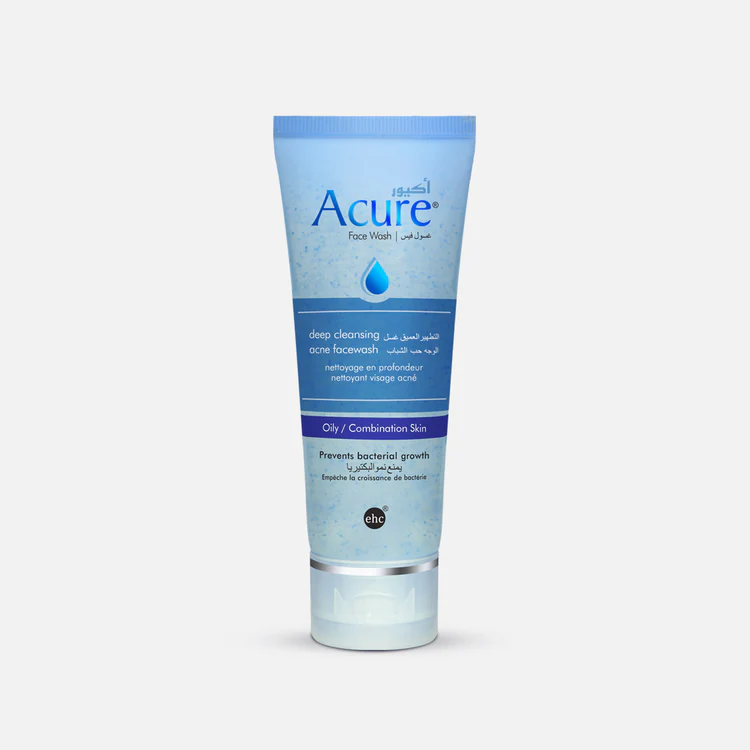
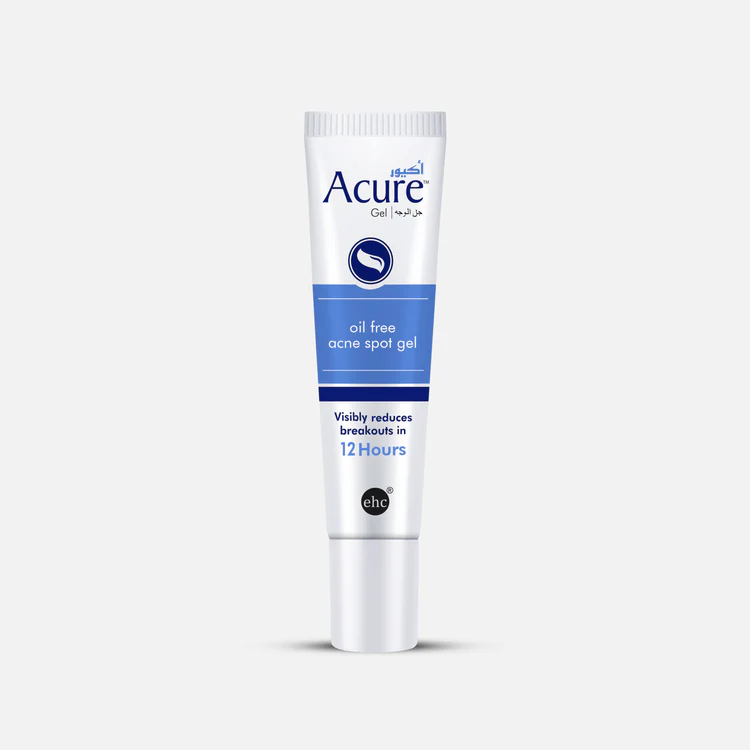
For acne-prone skin especially, pairing your retinol routine with the right cleanser makes a significant difference. The Acure Acne Facewash is a dermatologist-recommended option that cleans skin gently without stripping the barrier before retinol goes on. For any additional spots or acne-related concerns, the Acure Acne Gel can be used on active spots on off-nights without interfering with your retinol routine.
For hydration support while your skin adjusts, a light, non-greasy moisturizer is essential. The Emmo Light Moisturizing Lotion layers cleanly over any retinol and keeps the barrier supported without feeling heavy.
And because SPF is non-negotiable with retinol use, consider a sunscreen formulated for daily wear. The Unsun Sunblock with Glutathione provides broad-spectrum protection and is suitable for everyday use alongside an active skincare routine.
The Bottom Line
Retinol is one of the most proven skincare ingredients available without a prescription. It works for fine lines, texture, pigmentation, and acne. But it only works if you use it consistently and start it correctly.
Start with a low concentration. Apply it to dry skin. Moisturize after every use. Wear SPF every morning. Give it three months before judging results. These five rules are the entire foundation of a successful beginner retinol routine.
If your skin is acne-prone, read my guide on niacinamide for acne-prone skin to understand which ingredients pair best with retinol in your routine. If dark marks are a concern alongside texture, my post on how to get rid of acne blemishes and dark spots covers the treatments that actually move the needle.
If you are not sure where to start after reading this, book a consultation. One session removes all the guesswork and gets you on the right products for your specific skin.
Not sure which retinol is right for your skin? Get a personalized recommendation from Dr. Kiran Shaheer or explore our full range of dermatologist-selected skincare products.
Frequently Asked Questions
Start with 0.025% to 0.05% retinol or 0.05% retinaldehyde. Use it two nights per week for the first month. Increase frequency gradually as your skin adjusts, aiming for nightly use over eight to twelve weeks.
Subtle improvements in texture and pore appearance begin around weeks four to eight. Meaningful results, such as softened fine lines and faded pigmentation, typically appear at three to six months of consistent use.
Not at first. Start with two nights per week and build up gradually. Most people reach nightly use after eight to twelve weeks. Rushing this process is the number one cause of early failure with retinol.
Yes. Niacinamide is one of the best ingredients to pair with retinol. It calms the skin, supports the barrier, and helps reduce the redness that can come with starting retinoids. They can be used on the same night.
Yes, when introduced correctly. Choose a low-concentration encapsulated formula with barrier-supporting ingredients such as ceramides or niacinamide. Start at two nights per week and increase slowly. Most sensitive skin types can tolerate retinol within a few weeks.
Retinaldehyde (retinal) is one conversion step closer to the active form your skin uses. This makes it work faster than retinol at the same concentration. It is a good choice for beginners who want quicker results and tolerate actives reasonably well.
No. All forms of topical retinoids, including over-the-counter retinol and retinaldehyde, should be stopped during pregnancy and breastfeeding. Safer alternatives include bakuchiol, niacinamide, and azelaic acid.
It can. Purging is a temporary increase in breakouts caused by accelerated cell turnover bringing existing clogged pores to the surface faster. It typically peaks around week three and resolves by weeks six to eight. If your skin is red, burning, and reacting in new areas, that is a reaction, not purging, and your routine needs adjustment.