

Your pimple is gone. But the mark it left is still there. It sits on your cheek or jaw for weeks. Sometimes months. You wash your face, you moisturise, you wait. Nothing changes fast enough.
This is one of the most common skin complaints in Pakistan. The breakout heals, but the dark spot stays behind like a memory your skin refuses to forget. The good news is that this mark is not a scar. It can fade. You just need to treat it the right way.
This guide explains why these marks form, how long they take to fade, and the exact steps to clear them safely. If your skin reacts easily or feels irritated often, it also helps to first check whether your skin barrier is damaged, since a weak barrier slows down how fast marks fade.
Why Does Acne Leave a Dark Mark Behind?
When a pimple becomes inflamed, your skin reacts by making extra pigment in that spot. This pigment is called melanin. Once the pimple heals, the melanin stays behind as a flat, dark patch. Doctors call this post-inflammatory hyperpigmentation, or PIH.
PIH is not a scar. A scar changes the texture of your skin. PIH only changes the colour. This matters because PIH usually fades on its own with time and the right care. A true scar needs a different kind of treatment.
Darker skin tones make PIH more often and more visibly. This is simply how melanin-rich skin responds to inflammation. It is common. It is not a sign that something is wrong with your skin.
PIH or PIE? Know the Difference First
Not every mark after acne is the same colour or the same cause.
PIH (post-inflammatory hyperpigmentation) looks brown, tan, or black. It is caused by extra melanin.
PIE (post-inflammatory erythema) looks pink or red. It is caused by tiny blood vessels under the skin, not pigment.
Here is a simple test. Press a clear glass firmly on the mark. If the colour fades under pressure, it is PIE. If the colour stays, it is PIH.
This matters because the two need different ingredients. PIH responds to brightening actives like vitamin C and niacinamide. PIE responds better to calming ingredients, with less focus on pigment-fading actives.
How Long Do Acne Dark Spots Take to Fade?
This is the question every patient asks first. The honest answer is that it depends.
Mild PIH on lighter skin can fade in two to three months. Deeper PIH on darker skin tones can take six months to a year. Some marks fade faster with the right products. Some take longer if the skin keeps getting irritated or sun exposed.
Patience matters here. Skin renews itself slowly. Pigment sits in deeper layers and moves up gradually. You will not see results in one week. You will see them in six to eight weeks if you stay consistent.
Step 1: Calm the Active Blemish First
You cannot fade a mark while a new breakout is forming in the same spot. Treat the active pimple before you treat the mark it will leave behind.
Use a spot treatment with one of these:
- Benzoyl peroxide: kills acne-causing bacteria
- Salicylic acid: clears the pore from inside
- Sulfur: reduces inflammation and oil
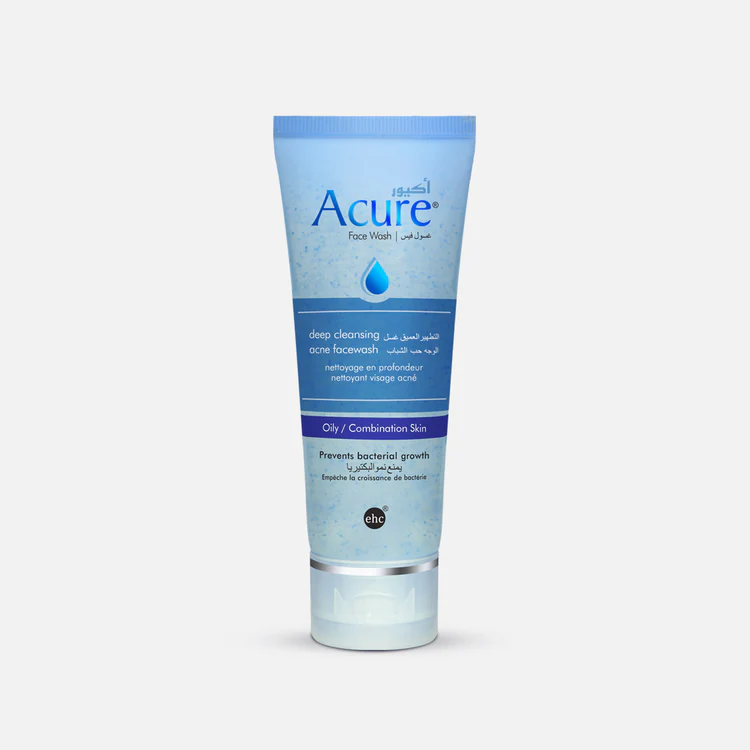
Apply a thin layer directly on the pimple, not your whole face. This treats the blemish without irritating skin that is already clear. If you are not sure which active suits your skin, this comparison of salicylic acid vs benzoyl peroxide for Pakistani skin breaks it down further.
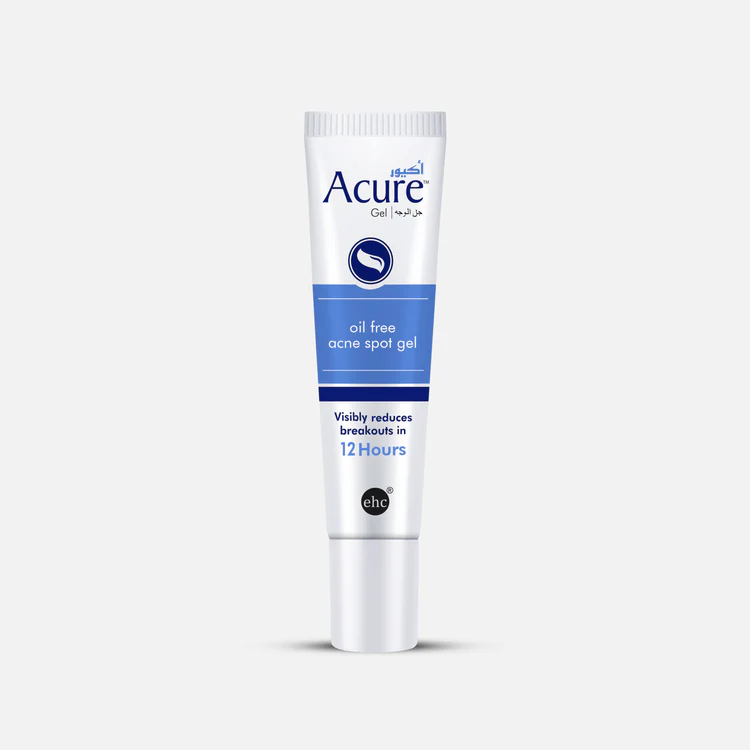
Recommended Product Acure Acne Gel Salicylic acid based, fast-acting on active breakouts →Step 2: Stop Picking and Popping
This is the single biggest reason dark spots get worse instead of better.
When you pick or pop a pimple, you push inflammation deeper into the skin. Deeper inflammation means more melanin. More melanin means a darker, longer-lasting mark. It also raises your risk of permanent scarring.
If you feel the urge to pick, cover the area with a hydrocolloid patch instead. It protects the spot and stops your hands from reaching it.
Step 3: Fade Existing Dark Spots With the Right Ingredients
Once the active blemish is under control, shift focus to the mark itself. These ingredients are backed by research and used by dermatologists for PIH.
Niacinamide
Blocks the transfer of melanin to the skin surface. Gentle enough for daily use, even on sensitive or acne-prone skin.
Vitamin C
An antioxidant that brightens skin and slows new pigment formation. Works well in the morning under sunscreen.
Azelaic Acid
A gentle option that fades pigment without bleaching the surrounding skin. Good for darker skin tones that are more prone to irritation.
Retinol
Speeds up cell turnover so pigmented cells shed faster. Best used at night, and always paired with sunscreen the next morning.
AHA/BHA Exfoliants
Used once or twice a week, these remove the top layer of dull, pigmented skin cells to reveal fresher skin underneath.
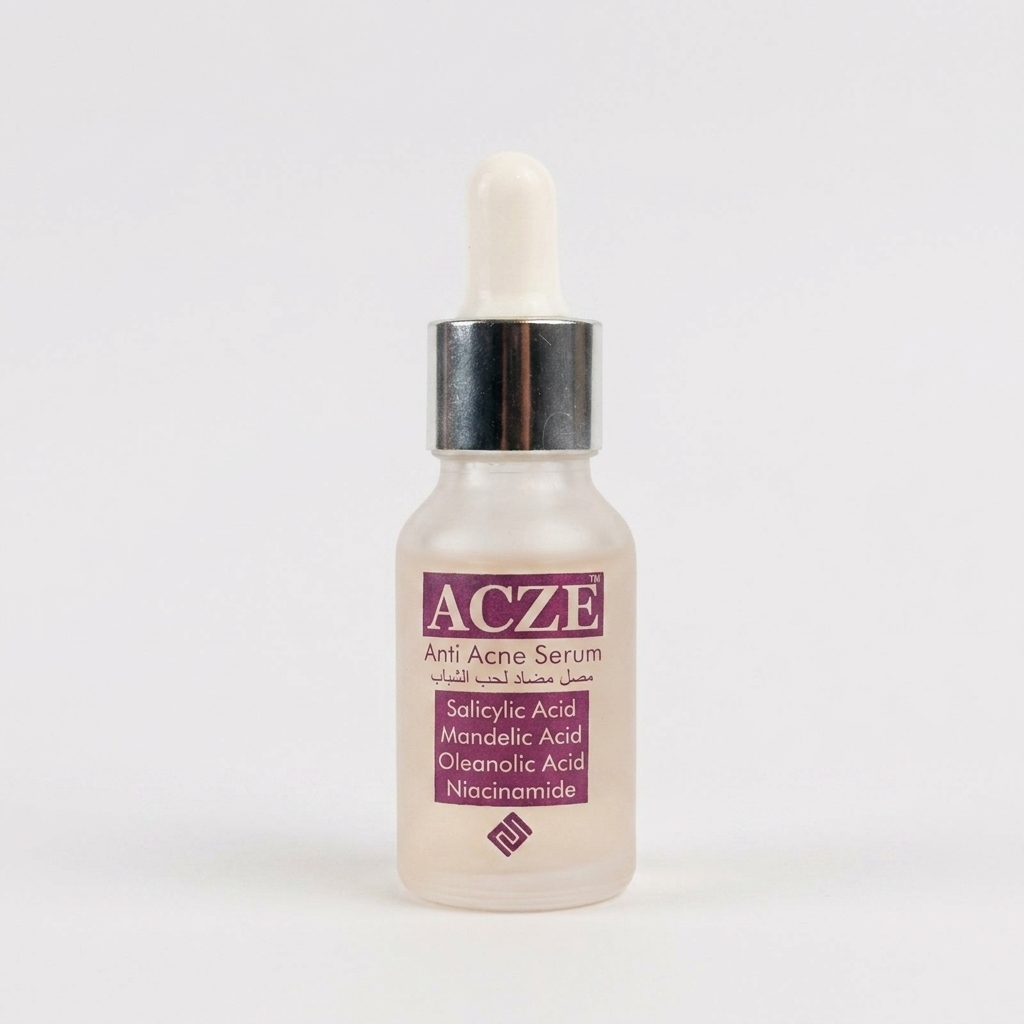
Recommended Product C² Serum Vitamin C brightening serum that fades pigment and protects against new spots → Recommended Product Blemish Free Serum Targets active marks and uneven tone, suitable for daily use →Use only one or two new actives at a time. Adding too many products at once irritates the skin and can make PIH worse, not better. This is the same reason a damaged skin barrier struggles to heal. If your skin already feels reactive, read how to repair a damaged skin barrier before adding new actives.
Step 4: Sunscreen Is Not Optional
This is the step most people skip, and it is the one that matters most.
Sun exposure darkens existing PIH and slows down fading. Even ten minutes outside without SPF can undo a week of progress. UV rays trigger more melanin production exactly where your skin is already trying to heal.
Apply a broad-spectrum sunscreen of at least SPF 30 every morning. Reapply if you are outdoors for long periods. This applies on cloudy days too.
Recommended Product Anti UV Cream SPF Broad-spectrum protection, non-comedogenic →A Simple Daily Routine for Blemishes and Dark Spots
You do not need ten products. You need a few that work together, used consistently.
☀️ Morning
- Cleanse with a gentle, non-comedogenic face wash
- Apply a vitamin C or niacinamide serum
- Moisturise
- Apply sunscreen SPF 30 or higher
🌙 Night
- Cleanse to remove the day’s buildup
- Apply your treatment (retinol, azelaic acid, or a spot treatment on active blemishes)
- Moisturise to lock in hydration
Follow this for six to eight weeks before judging results. Skin needs full cycles of renewal to show visible change. If summer heat keeps triggering new breakouts before marks can fade, see why acne gets worse in summer and how to stop it.
When Home Care Is Not Enough
If marks have not improved after several months of consistent care, it is time to see a dermatologist. The same is true if you suspect true scarring rather than just PIH.
Professional options include:
- Chemical peels: remove the top pigmented layer faster than home products
- Microneedling: stimulates skin renewal and helps fade stubborn marks
- Laser treatments: target deeper pigment with precision
A word of caution for darker skin tones. Aggressive laser or peel treatments carry a higher risk of triggering more PIH if done incorrectly. Always choose a dermatologist experienced with darker skin types, and avoid unqualified clinics offering cheap, fast results.
Mistakes That Make Marks Worse
Avoid these common errors:
- Over-exfoliating: this irritates skin and triggers more pigment, not less
- Skipping sunscreen: undoes progress from every other step
- Mixing too many actives: causes irritation that restarts the cycle
- Expecting overnight results: PIH fades over weeks, not days
- Using unverified home remedies: some, like undiluted lemon juice, can burn and worsen the skin
How to Prevent New Marks From Forming
Prevention is easier than treatment. A few habits make a real difference.
- Treat new pimples early, before they become inflamed cysts
- Use gentle, non-comedogenic skincare daily
- Keep your hands and phone screen off your face
- Change pillowcases often
- Wear sunscreen every single day, all year
Frequently Asked Questions
Will acne dark spots go away on their own?
Yes, in most cases. PIH usually fades without treatment, but it can take six months to a year. The right ingredients and daily sunscreen speed this up significantly.
What is the fastest way to get rid of a dark spot from a pimple?
Consistent use of vitamin C or niacinamide, paired with daily sunscreen, gives the fastest visible results at home. Most people notice improvement within six to eight weeks.
Is hyperpigmentation the same as a scar?
No. PIH only changes the colour of the skin. A scar changes the texture, leaving a pit or a raised mark. PIH fades with time. Textural scars usually need professional treatment.
Can I use vitamin C and retinol together?
Yes, but not at the same time of day. Use vitamin C in the morning and retinol at night. This avoids irritation and lets both ingredients work properly.
When should I see a dermatologist about acne marks?
If marks have not faded after several months of consistent home care, or if you notice pitting or raised scarring, book a consultation. A dermatologist can confirm whether you are dealing with PIH, PIE, or true scarring, and recommend the right treatment.
Need a personalised routine for your skin?
Every skin type responds differently to acne marks. A consultation gives you a plan built for your skin tone and history, not a generic routine.