
You wash your face twice a day. You still break out. You walk into a pharmacy and see two names on every acne product: salicylic acid and benzoyl peroxide. You pick one, hope for the best, and wonder why your friend’s skin cleared up with the other one.
As a skin doctor, this is one of the most common questions I get in clinic. Patients want one simple answer. The truth is both ingredients work, but they work in different ways, and Pakistan’s heat, sun, and skin tone change which one is right for you. This guide breaks it down in plain language, so you can pick the right one the first time.
Quick Answer
If you have blackheads, whiteheads, or oily skin, start with salicylic acid. If you have red, swollen, pus-filled pimples, benzoyl peroxide works faster. If your skin is sensitive or you tend to get dark marks after a pimple heals, salicylic acid is the safer starting point. Either way, low strength and daily sunscreen matter more than the brand name on the bottle.
What Is Salicylic Acid?
Salicylic acid is a beta-hydroxy acid, often called a BHA. It is oil-soluble, which means it can travel inside the pore itself, not just sit on top of the skin.
Once inside the pore, it loosens the bond between dead skin cells. This breaks up the buildup of oil, dirt, and dead cells that turns into blackheads and whiteheads. Used regularly, it keeps pores clearer and stops new clogs from forming.
This is exactly why salicylic acid works so well in Pakistan. Dust, pollution, and sweat build up on the skin all day in cities like Karachi, Lahore, and Islamabad. Salicylic acid cuts through that buildup instead of just sitting on the surface.
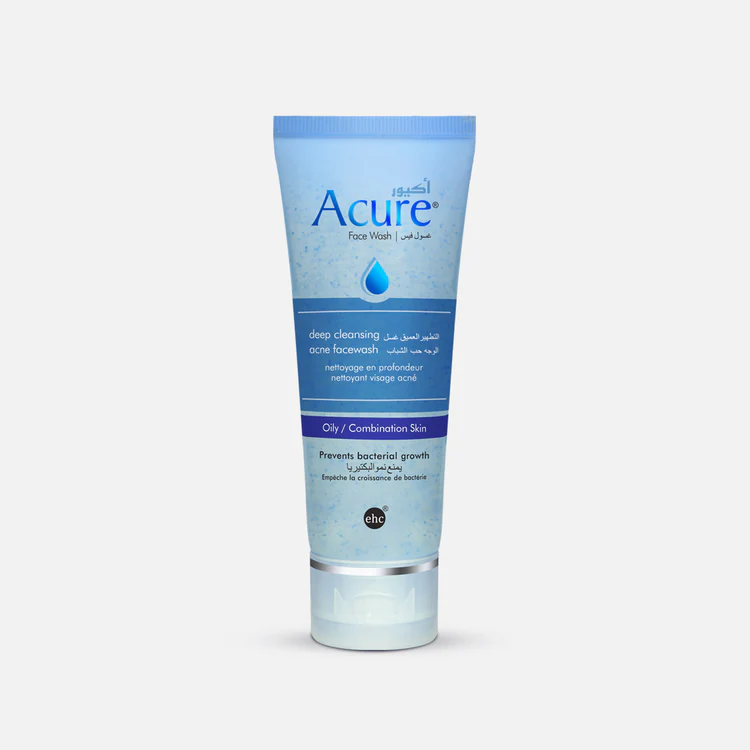
Most over-the-counter products use salicylic acid between 0.5% and 2%. That is enough for daily use without overdrying the skin. A gentle option I often recommend is the Acure Acne Facewash, which cleans without stripping the skin.
What Is Benzoyl Peroxide?
Benzoyl peroxide works differently. Instead of clearing the pore, it kills the bacteria that causes acne, known as C. acnes. When applied to the skin, it releases oxygen that the bacteria cannot survive in.
This makes benzoyl peroxide a strong choice for inflammatory acne. Think of the painful, red, pus-filled bumps, not the small blackheads. It also helps calm down some of the swelling around active breakouts.
Benzoyl peroxide is sold in strengths from 2.5% up to 10%. Higher strength does not mean better results. It usually means more dryness and irritation, especially in Pakistan’s heat where sweating already stresses the skin.
One practical note. Benzoyl peroxide can bleach fabric. It has lightened many pillowcases, towels, and hijabs without warning. Apply it at night, let it dry fully, and use a white or old pillowcase until you know how your skin reacts.
Salicylic Acid vs Benzoyl Peroxide: The Real Difference
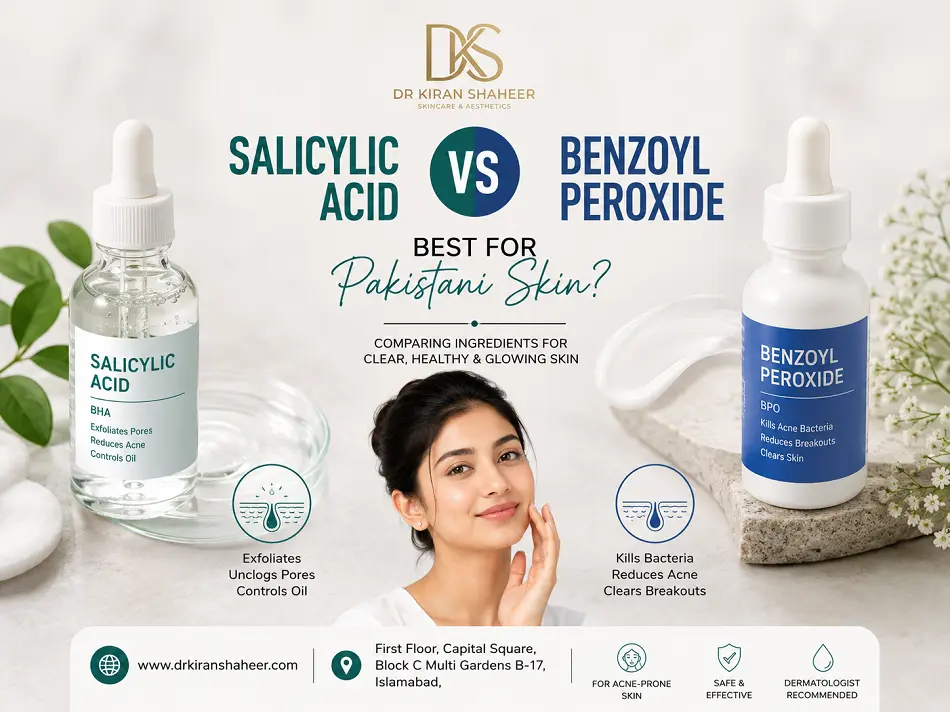
The simplest way to remember this is by what each one targets. Salicylic acid clears out what is already clogging your pore. Benzoyl peroxide kills the bacteria causing the breakout.
Neither one is universally stronger. They solve different problems. A patient with mostly blackheads will not see much change from benzoyl peroxide, because there is no bacterial infection to kill. A patient with inflamed, painful pimples will not get much relief from salicylic acid alone, because the bacteria is still active.
| Factor | Salicylic Acid | Benzoyl Peroxide |
|---|---|---|
| Best for | Blackheads, whiteheads, oily skin | Red, inflamed, pus-filled pimples |
| How it works | Exfoliates inside the pore | Kills acne-causing bacteria |
| Speed of results | Gradual, 4 to 6 weeks | Can act faster on active breakouts |
| Irritation risk | Lower | Higher, especially above 5% |
| Risk of dark marks | Lower | Higher if overused |
| Stains fabric | No | Yes |
| Typical price in Pakistan | Rs. 400 to 1,200 | Rs. 350 to 1,500 |
Why This Matters More for Pakistani Skin
This is the part most guides skip, and it is the part that actually changes the answer for most of my patients.
Our Climate Makes Skin Oilier
Heat and humidity push the skin to produce more oil. More oil means faster clogging and more breakouts, especially in summer. Salicylic acid handles this well because it dissolves into oil and works from inside the pore. If your acne gets noticeably worse in summer, salicylic acid is usually the better daily option. I cover this in more detail in my guide on why acne gets worse in summer.
Benzoyl peroxide can still help with active, inflamed breakouts in summer. But combined with sweat and heat, it tends to dry and irritate the skin faster than it would in a cooler climate. If you use it, stick to a lower strength and apply it at night only.
Darker Skin Tones Mark More Easily
Most people in Pakistan have medium to deep skin tones, which dermatologists classify as Fitzpatrick types III to V. This skin type produces more melanin, and melanin reacts strongly to any inflammation or irritation.
That means when skin gets irritated, whether from a popped pimple or a harsh skincare product, it is more likely to leave a dark mark behind. Patients often tell me the mark bothers them more than the original pimple did, because it takes much longer to fade.
This is why I tell patients with deeper skin tones to start gently. Benzoyl peroxide at high strength, used too often, can irritate the skin enough to trigger these dark marks. Salicylic acid is generally gentler and lowers this risk, which makes it a safer first step for most Pakistani skin types. This is general guidance based on skin biology, not a diagnosis, and a dermatologist can guide you further if marks are already a concern. If marks have already formed, my guide on how to get rid of acne marks and dark spots walks through the next step.
Both Are Easy to Find and Affordable
You do not need imported products to access either ingredient. Both are available in local pharmacies and online stores across Pakistan at reasonable prices. What matters more than the brand is checking the percentage listed on the label, since two products with the same ingredient can behave very differently at different strengths.
Which One Treats Your Type of Acne Best?
Salicylic acid works best for blackheads, whiteheads, clogged pores, and oily or combination skin.
Benzoyl peroxide works best for inflamed, red, pus-filled pimples and sudden hormonal breakouts.
If you are not sure which type you have, look at the bump itself. A small, flat, dark or white spot under the skin is usually a blackhead or whitehead. A raised, red, sometimes painful bump is inflammatory acne.
Side Effects You Should Know
Salicylic Acid
Most people tolerate salicylic acid well. Some notice mild dryness, peeling, or a slight stinging sensation when they first start. If you are allergic to aspirin, avoid salicylic acid, since the two are chemically related.
Benzoyl Peroxide
Benzoyl peroxide is more likely to cause redness, dryness, and peeling, especially at strengths above 5%. It can also bleach hair and fabric, so apply it carefully and wash your hands after use. In rare cases, it can cause a true allergic reaction with swelling or difficulty breathing. If that happens, seek medical help right away.
Can You Use Both Together?
You can, but not on the same spot at the same time. Layering both increases the risk of dryness, irritation, and the dark marks we talked about earlier.
A safer approach is to use salicylic acid as your everyday product, and benzoyl peroxide only as a spot treatment on active pimples. Some patients also use one in the morning and the other at night. Always patch test before adding anything new to your routine.
How to Build a Simple Routine
Start slow. Use your chosen active two to three times a week before moving to daily use. This gives your skin time to adjust without overwhelming it.
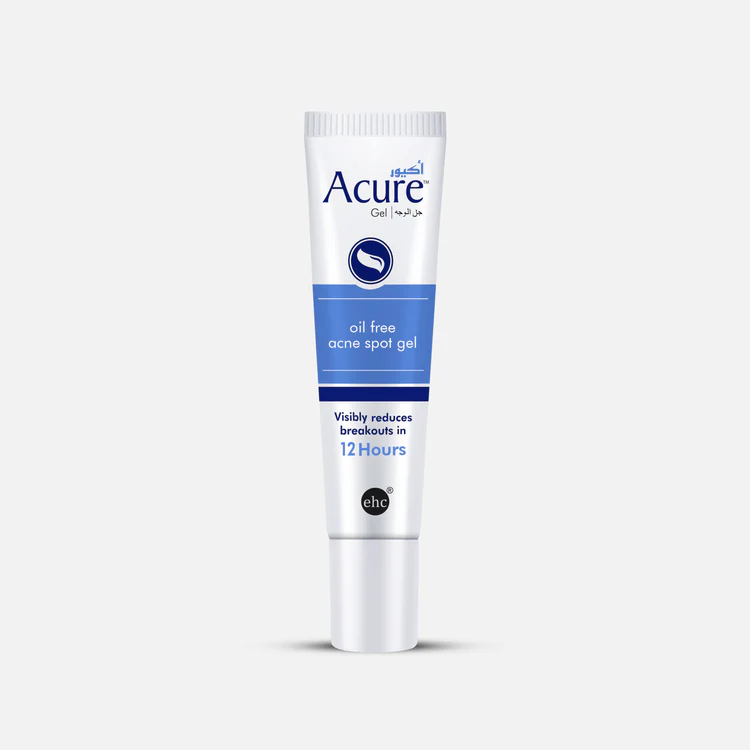
🧴 Recommended Treatment Acure Acne Gel →Always follow with a lightweight, oil-free moisturiser. Skipping moisturiser because your skin feels oily is one of the most common mistakes I see, and it usually makes acne worse, not better. A light option like Emmo Light Moisturizing Lotion works well for oily and acne-prone skin.
Sunscreen is not optional here. Both salicylic acid and benzoyl peroxide make skin more sensitive to the sun. Pakistan’s sun is strong almost all year, and unprotected sun exposure makes both new acne and old dark marks worse.
☀️ Daily SPF Unsun Sunblock with Glutathione →Avoid stacking other strong actives, like retinol or other acids, into the same routine right away. If your skin already feels tight, red, or reactive, you may be dealing with a weaker skin barrier rather than just acne. My guide on skin barrier damage and how to repair it explains how to tell the difference. And be cautious with traditional remedies like besan or multani mitti masks while using these actives, since combining exfoliants can overdo it and stress the skin barrier.
When to See a Dermatologist
Most mild acne responds to consistent use of one of these ingredients within four to six weeks. See a dermatologist if your acne is painful, cystic, spreading, or leaving deep marks that are not fading on their own. A proper consultation also helps if you have tried both ingredients without improvement, since stronger or prescription treatments may be needed.
The Bottom Line
There is no single winner between salicylic acid and benzoyl peroxide. The right one depends on your acne type, your skin tone, and Pakistan’s climate. Salicylic acid is usually the safer, gentler starting point for daily use, especially for oily skin and deeper skin tones. Benzoyl peroxide works well for active, inflamed breakouts when used carefully and at a low strength.
Start low, stay consistent, never skip sunscreen, and give either ingredient a few weeks before judging the results. If your skin is not improving, a dermatologist can build a plan suited to your exact skin type.
Frequently Asked Questions
Is salicylic acid or benzoyl peroxide better for oily skin?
Salicylic acid is generally better for oily skin. It dissolves into oil and works inside the pore, which helps control clogged pores and blackheads that are common with excess oil production.
Can I use salicylic acid and benzoyl peroxide together?
You can use both, but not layered on the same area at the same time. Using them together too often increases dryness and irritation. It is safer to use one in the morning and the other at night, or use one daily and the other only as a spot treatment.
Which is safer for sensitive or dark skin, salicylic acid or benzoyl peroxide?
Salicylic acid is usually the gentler option for sensitive and deeper skin tones. Benzoyl peroxide, especially at higher strengths, carries a higher risk of irritation, which can lead to dark marks in melanin-rich skin.
Does benzoyl peroxide cause dark spots on brown skin?
Benzoyl peroxide itself does not directly cause pigmentation. But the irritation it can trigger, especially at high strength or with overuse, may lead to post-inflammatory dark marks in deeper skin tones. Starting at a low strength reduces this risk.
What strength of salicylic acid or benzoyl peroxide is best for beginners?
Beginners should start with salicylic acid around 0.5% to 2%, or benzoyl peroxide around 2.5%. Lower strengths reduce the risk of dryness and irritation while your skin adjusts.
Is benzoyl peroxide safe to use in hot, humid weather?
Yes, but it needs care. Heat and sweat can make benzoyl peroxide feel more drying and irritating. Use a lower strength, apply it at night, and follow with a lightweight moisturiser.
How long does it take to see results from either ingredient?
Most people see visible improvement within four to six weeks of consistent use. Results take longer if the strength is too low or if the product is not used regularly.
Still not sure which ingredient is right for your skin? A personalised consultation removes the guesswork.
Book a Consultation Shop Acne Care