

Summer brings heat, sweat, and humidity. For many people in Pakistan, it also brings more breakouts. If your skin feels oilier and your acne flares up the moment the temperature rises, you are not imagining it. There is a real reason behind it, and there is a real way to manage it.
As a skin doctor, I see this pattern every year. Patients who had clear skin in winter come in worried because pimples are suddenly everywhere. The good news is that summer acne is very manageable once you understand what is actually happening to your skin.
Why Summer Makes Acne Worse
Your skin behaves differently in hot weather. Several things change at once, and together they create the perfect environment for breakouts.
Your Skin Produces More Oil
Heat increases oil production. Your sebaceous glands work harder to keep your skin from drying out in the sun. This extra oil mixes with sweat and dirt on your skin’s surface. Pores get clogged faster. Clogged pores lead to more pimples.
Sweat Sits on Your Skin Longer
In Pakistan’s summer humidity, sweat does not evaporate quickly. It stays on your face and traps bacteria against your skin. This bacteria buildup is one of the main triggers for acne breakouts.
Sunscreen and Makeup Add to the Problem
Many people apply thick sunscreen or makeup to protect their skin from the sun. If these products are not made for acne-prone skin, they can block pores. This makes existing acne worse and can cause new breakouts. Choosing a lightweight, non-comedogenic sunscreen made for oily skin solves this problem without giving up sun protection.
Touching Your Face More Often
Heat makes people wipe their face more, touch their phone more, and rest their face on their hands more. Each touch transfers oil and bacteria from your hands to your face.
How to Control Acne During Summer
You do not need to stop using skincare in summer. You need the right routine for the season. Here is what actually works.
Switch to a Gentle, Oil-Control Face Wash
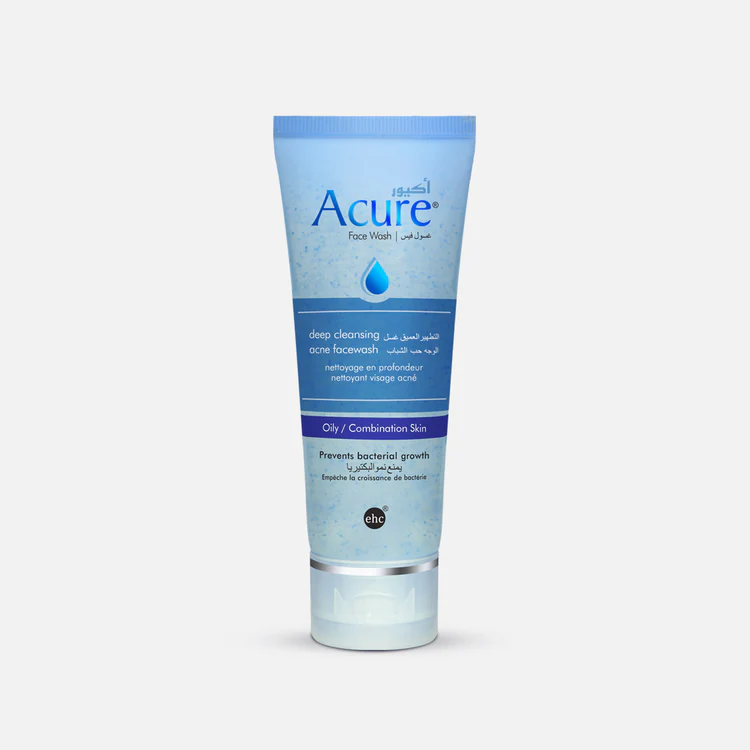
Use a face wash made for acne-prone or oily skin, such as Acure Acne Facewash. It should clean away sweat and oil without stripping your skin. Washing your face twice a day is enough. Washing more than that can damage your skin barrier and make acne worse, not better.
Use Lightweight, Non-Comedogenic Products
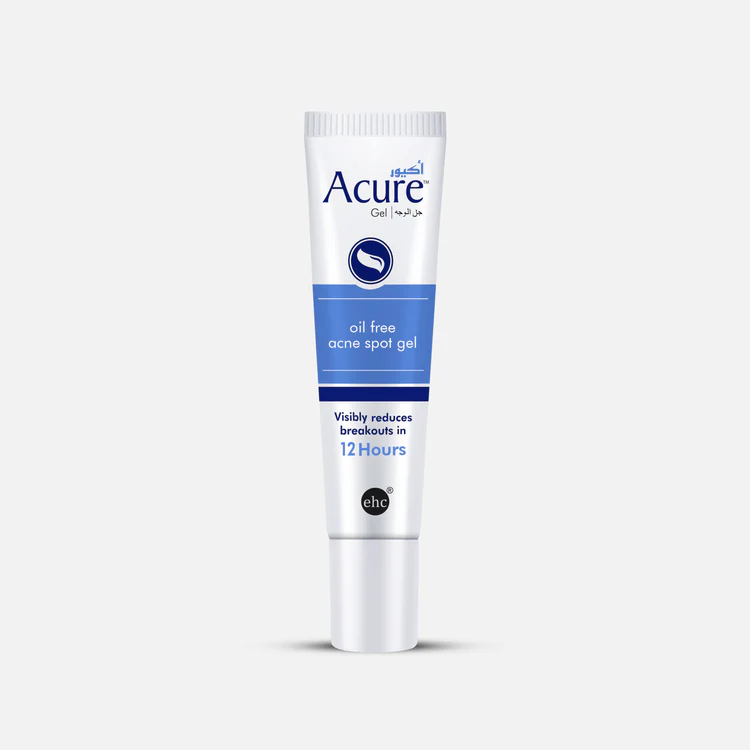
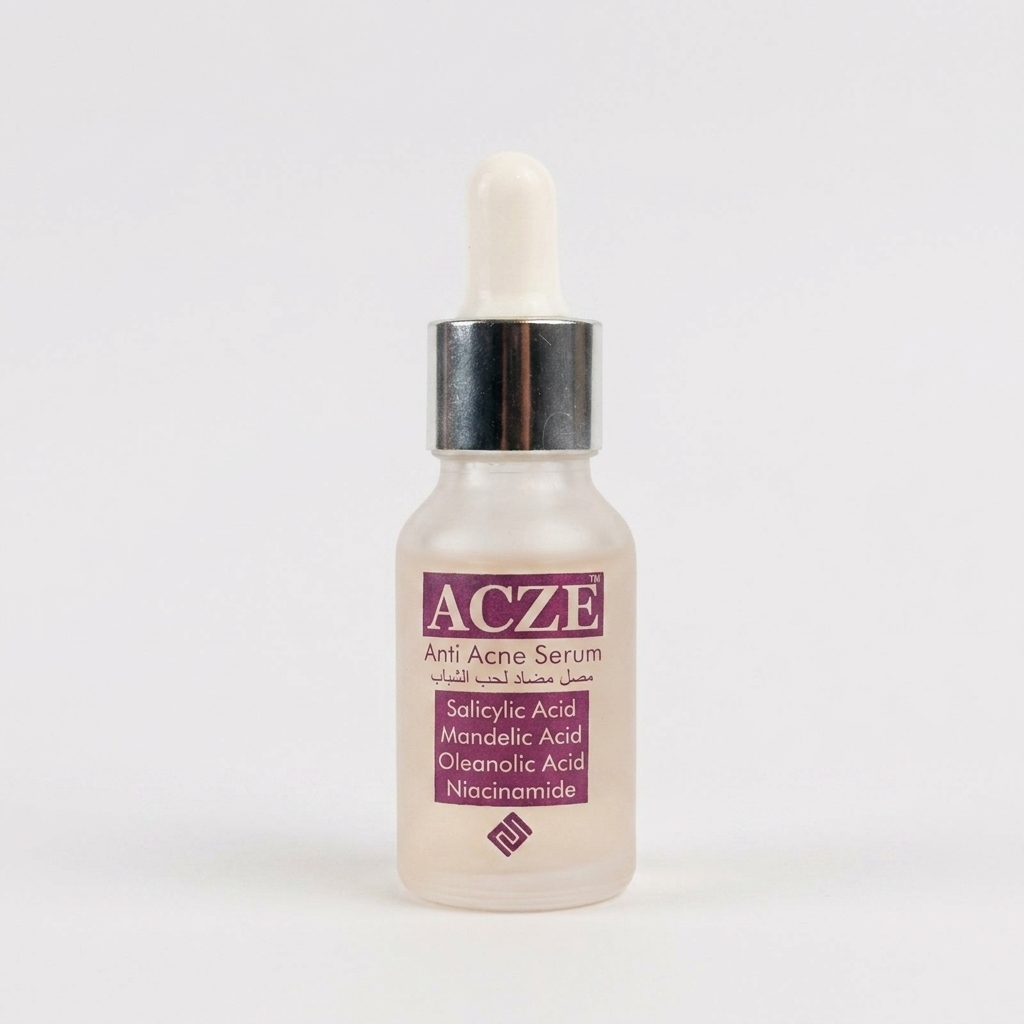
In summer, switch to lighter serums and gels instead of heavy creams. Look for the word “non-comedogenic” on the label. A treatment like Acure Acne Gel or the Acze Anti-Acne Serum works well for most acne-prone skin in summer, since both are formulated to treat breakouts without clogging pores.
Never Skip Sunscreen, But Choose the Right One
Sun exposure can make acne marks darker and slower to heal. Skipping sunscreen is not the answer. Instead, choose a sunscreen made for oily or acne-prone skin. A matte, lightweight formula like Unsun Sunblock will protect your skin without clogging your pores.
Carry Blotting Paper or a Light Mist
If you are outside for long hours, blotting paper can remove excess oil without disturbing your makeup or skincare. A light, alcohol-free face mist can also help control shine during the day.
Change Your Pillowcase and Towel Often
Sweat and oil build up fast on fabric in summer heat. Change your pillowcase at least twice a week. Use a clean towel for your face, separate from the one you use for your body.
Watch What You Eat and Drink
Heat increases sugar cravings for many people, and sugary food can trigger breakouts in some skin types. Drink more water than usual. Staying hydrated helps your skin regulate oil production naturally.
When to See a Doctor
If your acne is painful, leaves dark marks, or does not improve after a few weeks of a proper routine, it is time to see a skin doctor. Over-the-counter products help with mild acne, but moderate to severe acne often needs a treatment plan built for your specific skin. If dark spots remain after a breakout heals, read our guide on how to get rid of acne marks and dark spots for the next step in your routine.
The Bottom Line
Summer acne happens because of more oil, more sweat, and pore-clogging products. The fix is simple. Clean your skin gently, use lightweight products made for your skin type, and never skip sunscreen. Small changes in your routine can make a big difference in how your skin handles the heat.
If your acne is not improving, do not wait it out. A proper diagnosis from a dermatologist can save you months of trial and error.
Frequently Asked Questions
Does sweating cause acne directly?
Sweat itself does not cause acne. The problem starts when sweat mixes with oil, dirt, and bacteria and stays on your skin for too long without being washed off.
Should I wash my face more often in summer?
No. Washing twice a day is enough. Washing too often strips your skin’s natural barrier and can actually increase oil production, leading to more breakouts.
Is sunscreen bad for acne-prone skin?
No. The right sunscreen is essential, even for acne-prone skin. Choose a non-comedogenic, oil-free, matte formula made for oily or acne-prone skin types, such as Unsun Sunblock.
Can diet really affect summer acne?
Diet affects acne differently for each person. High sugar intake and dehydration can make breakouts worse in some people. Drinking enough water and eating a balanced diet supports healthier skin overall.
How long does it take for summer acne to clear up?
With a consistent, proper routine, mild acne can improve within four to six weeks. Moderate to severe acne may need a dermatologist’s treatment plan for faster, lasting results.