

You finally found a serum that does not sting. It does not smell strong. It does not leave your skin red or peeling. Then you read the label and see one word everywhere: niacinamide. Every dermatologist, every beauty page, and every pharmacy shelf in Pakistan seems to be talking about it.
So the real question is simple. Does niacinamide actually help acne, or is it just another trend? As a skin doctor, I get asked this almost every week in clinic. The short answer is yes, niacinamide does help acne-prone skin, and the science behind it is solid. This guide explains how it works, how to use it the right way, and which niacinamide products are worth buying in Pakistan.
Quick Answer
Yes, niacinamide helps acne-prone skin. It controls oil, calms inflammation, strengthens the skin barrier, and fades dark marks left behind by breakouts. It works best at 5 to 10 percent, used daily, alongside a gentle cleanser and sunscreen.
What Is Niacinamide?
Niacinamide is a form of vitamin B3. It is water soluble, which means it mixes easily into serums, moisturisers, and face washes without feeling heavy or greasy. Your skin already needs vitamin B3 to function well. When applied directly, niacinamide supports the skin from the outside in a way diet alone cannot.
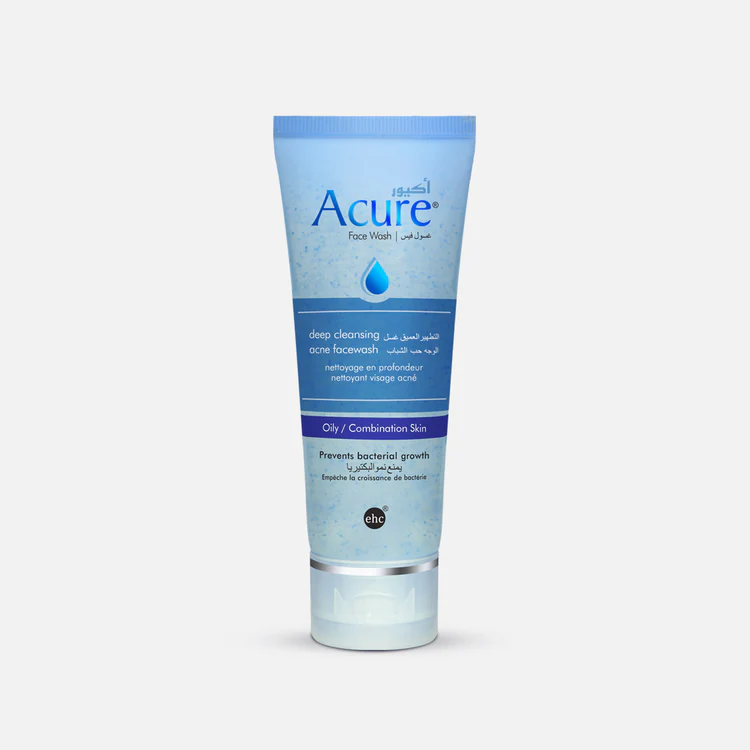
It is not a new ingredient. Dermatologists have used it for years to treat acne, redness, and uneven skin tone. What has changed is that more affordable, well-formulated products are now available, including local options like the Acure Acne Facewash that pair well with a niacinamide routine.
How Does Niacinamide Help With Acne?
Acne is not caused by one single thing. Oil, inflammation, clogged pores, and bacteria all play a part. Niacinamide is useful because it works on several of these at once, instead of targeting just one.
Controls Oil
Less sebum means fewer clogged pores and fewer new breakouts forming.
Calms Inflammation
Reduces the redness and swelling of active pimples so they heal faster.
Strengthens Barrier
A stronger barrier means less irritation and fewer new breakouts.
Fades Acne Marks
Slows pigment transfer so dark marks fade faster over time.
Dark marks after a pimple heals are common, especially on deeper skin tones like most Pakistani skin. If marks are already your main concern, my detailed guide on how to get rid of acne blemishes and dark spots goes deeper into this topic.
Does Niacinamide Cause Purging or Breakouts?
No. Niacinamide is non-comedogenic, which means it does not clog pores. There is no known process by which it causes new acne. What people often mistake for purging is usually irritation from a different active in the same product, or skin adjusting to a new routine in general.
If your skin reacts badly after starting niacinamide, the cause is usually fragrance, alcohol, or a high concentration introduced too quickly, not the niacinamide itself.
Niacinamide vs Other Acne Ingredients
Niacinamide does not need to replace your other actives. In most cases, it works better alongside them.
For a deeper comparison between two of the most common acne actives, see my guide on salicylic acid vs benzoyl peroxide for Pakistani skin.
How to Use Niacinamide for Acne-Prone Skin
Niacinamide works best when used the right way, in the right order. Here is a simple routine that fits most skin types.
Cleanse with a gentle face wash. The Acure Acne Facewash is a good option for acne-prone skin since it cleans without stripping.
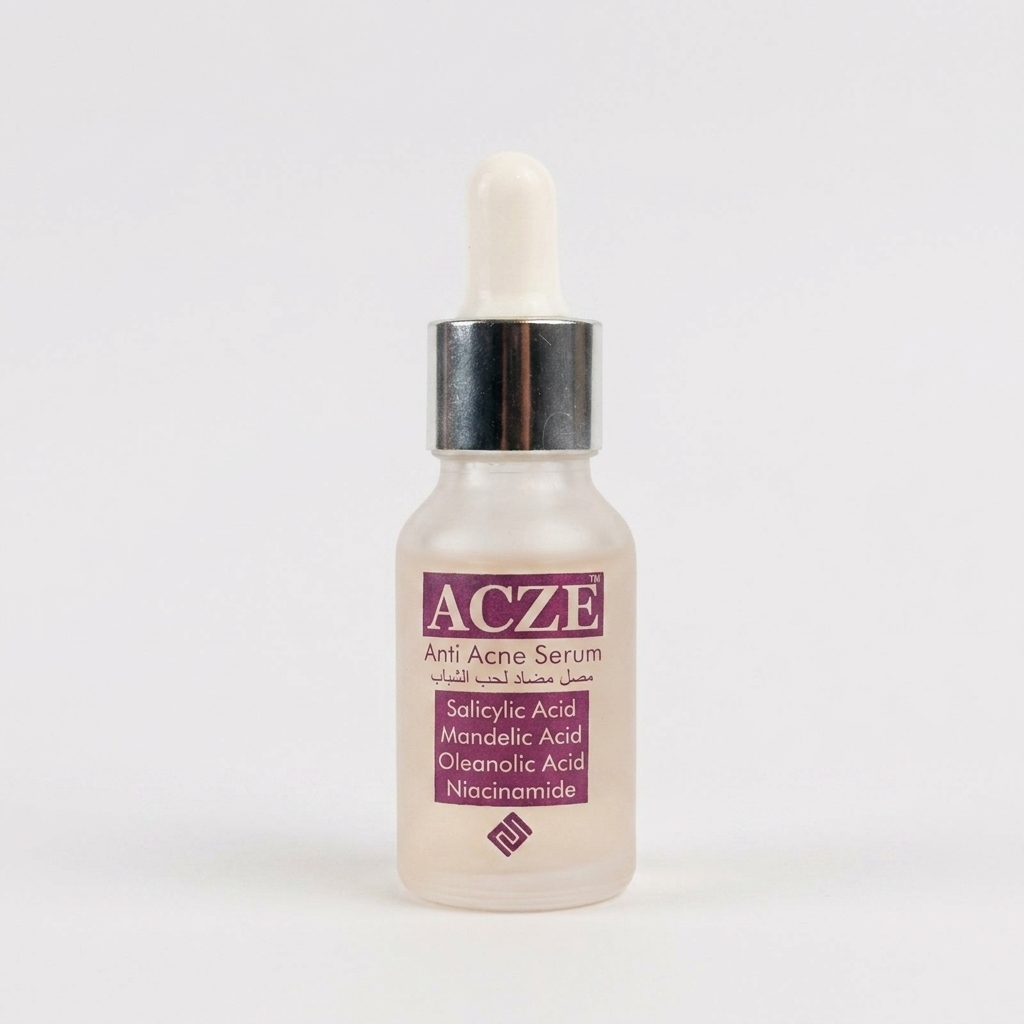
Apply your niacinamide serum to slightly damp skin.
Wait a few minutes if you are layering another active like retinol or salicylic acid.
Follow with a lightweight moisturiser, such as the Emmo Light Moisturizing Lotion.
In the morning, always finish with sunscreen. Pakistan’s sun is strong most of the year, and skipping SPF undoes a lot of the progress niacinamide makes.
What Concentration Should You Use?
Most people do well with niacinamide between 5 percent and 10 percent. Higher is not always better. Some studies show that going above 10 percent does not add extra benefit and can increase the chance of irritation, especially for sensitive skin.
Can You Use Niacinamide With Vitamin C?
Yes, in most cases. Older advice said to avoid mixing the two, but modern formulations are usually stable together. If your skin is sensitive, it is still safer to use niacinamide in the morning and vitamin C at night, or the other way around.
How Long Until You See Results?
Most patients notice less oil and calmer skin within three to six weeks of daily use. Acne marks take longer to fade, often eight to twelve weeks. Niacinamide is gentle, which means it works gradually, not overnight.
Who Should Use Niacinamide?
Niacinamide suits almost every skin type. It is especially helpful if you have:
- Oily or combination skin
- Frequent breakouts with visible redness
- Dark marks left behind after pimples heal
- Sensitive skin that reacts badly to stronger actives
If your acne is cystic, painful, or spreading despite a consistent routine, niacinamide alone will not be enough. That level of acne needs a proper consultation, not just a new serum.
Mistakes to Avoid
A few small mistakes can reduce how well niacinamide works for you.
- Do not jump straight to a high percentage. Start at 5 percent if you are new to actives.
- Do not apply niacinamide on broken or actively irritated skin.
- Do not skip moisturiser, even if your skin feels oily. Dry skin often produces more oil, not less.
- Do not skip sunscreen. Active ingredients make skin more reactive to sun exposure.
The Bottom Line
Niacinamide is one of the safest and most useful ingredients for acne-prone skin. It controls oil, calms inflammation, strengthens the skin barrier, and fades acne marks, all without the dryness that comes with stronger treatments. It works even better when paired with the right cleanser, moisturiser, and sunscreen, and it pairs well with actives like salicylic acid if your acne needs extra help.
Start with a lower concentration, stay consistent, and give it a few weeks before judging the results. If your acne is not improving despite a good routine, do not wait too long before getting it checked.
Frequently Asked Questions
Can I use niacinamide every day for acne?
Yes. Niacinamide is gentle enough for daily use, both morning and night. Most people see improvement within three to six weeks of consistent use.
Is niacinamide good for active pimples?
Yes. Niacinamide can be applied even on active pimples since it is anti-inflammatory and non-comedogenic. It will not clog the pore further.
Can I use niacinamide with salicylic acid?
Yes. Salicylic acid clears the pore while niacinamide calms the skin and supports the barrier. They work well together in the same routine.
What percentage of niacinamide is best for beginners?
Start with 5 percent. Once your skin tolerates it well, you can move up to 10 percent if needed.
Is niacinamide safe for sensitive, acne-prone skin?
Yes. Compared to benzoyl peroxide or retinoids, niacinamide is far less likely to cause dryness or irritation, which makes it a safer choice for sensitive skin.
Which niacinamide product is best for oily skin in Pakistan?
Look for a fragrance-free, lightweight serum with 5 to 10 percent niacinamide. Pairing it with a proper acne cleanser, like the Acure Acne Facewash, gives better results than the serum alone.
Still not sure if niacinamide is right for your skin? A proper consultation removes the guesswork.
Book a Consultation Shop Acne Care