

Your moisturizer, maybe one you have used for years without any issue, now stings the moment it touches your face. It is confusing. It is a little frightening. You trusted this product. What changed?
The uncertainty makes it worse. Is this an allergic reaction? A damaged skin barrier? A bad batch? Should you stop using everything? When even gentle, water-based products start to sting, it is easy to feel like nothing is safe for your skin anymore.
I am Dr. Kiran Shaheer, an aesthetic doctor based in Islamabad. Here is what I tell every patient who comes in with this exact problem. The sting is not your moisturizer betraying you. It is your skin barrier asking for a break. This guide tells you why that happens, how to tell whether the product or your barrier is the real culprit, and exactly what to do to fix it.
Quick Summary
- Stinging usually means a damaged skin barrier, not a bad product
- Even water and glycerin can sting on a severely compromised barrier
- Fragrance, preservatives, and actives are the most common trigger ingredients
- Stop all actives immediately: retinol, AHAs, BHAs, and vitamin C
- Switch to a single fragrance-free, ceramide-rich moisturiser for at least 72 hours
- Most barriers recover within one to two weeks of a simplified routine
- Persistent burning, hives, or swelling means see a dermatologist
Why Your Moisturizer Stings: The Skin Barrier Connection
The outermost layer of your skin is called the stratum corneum. Think of it as a brick wall. The skin cells are the bricks and the natural lipids, ceramides, cholesterol, and fatty acids, are the mortar holding them together. When that wall is intact, moisturiser sits on the surface and feels soothing. When it is damaged, that mortar has gaps.
Through those gaps, ingredients that used to stay on the surface now penetrate too deeply and reach nerve endings. That is what causes the sting. It is not the moisturiser getting harsher. It is your barrier becoming more permeable.
Barrier damage often builds gradually. One new active ingredient, one change in weather, one week of over-exfoliation can be the tipping point that makes a product you have used comfortably for two years suddenly burn on contact.
Why Even Water and Glycerin Can Sting
This surprises people. If even plain water stings, surely the product must be aggressive. Not necessarily.
When the barrier is severely compromised, nerve endings sit closer to the skin surface. Plain water has a different pH and mineral content to skin. On a damaged barrier, that contact briefly stimulates exposed nerve endings. Glycerin, a humectant that draws water into the skin, can cause a similar tingle. The rapid movement of water across a disrupted barrier can momentarily trigger those nerves.
The sting is not proof the product is harsh. It is proof the barrier is letting things through that it should not be.
How to Tell If Your Skin Barrier Is Damaged
Stinging is rarely the only symptom. A compromised barrier shows up in several ways at once. No single sign is definitive on its own, but a cluster of them paints a clear picture.
🗒️ Quick Self-Assessment: Is Your Barrier Damaged?
Irritation vs. Allergy: Two Very Different Problems
These are not the same thing, and the distinction changes what you do next.
Irritant contact dermatitis is a direct, non-immune reaction to a substance that damages the skin. It is dose-dependent and often immediate. Stinging, burning, and tightness are the classic signs. This is what most “moisturiser stings” cases actually are. Once the barrier heals, you can often use the product again.
Allergic contact dermatitis is an immune system response to a specific allergen. It is not dose-dependent. Even a tiny amount can trigger it. It typically appears as itching, redness, swelling, or a rash, and it often develops 24 to 72 hours after contact, not immediately. If you have an allergy to an ingredient, you need to avoid that ingredient permanently.
A dermatologist can perform patch testing to tell you definitively which one you are dealing with.
Common Trigger Ingredients to Avoid
Most stinging reactions trace back to a small group of ingredient categories. Knowing what to look for on a label lets you act immediately rather than guessing.
Fragrance and Essential Oils
Fragrance is the most common sting trigger in moisturisers. The word “fragrance” or “parfum” on a label can represent dozens of undisclosed compounds. Many of those compounds are well-documented irritants. Essential oils are not a safe alternative. Lavender, citrus, peppermint, and eucalyptus oils are concentrated volatile compounds that sting and sensitise reactive skin. Natural does not mean gentle.
Preservatives That Cause Problems
Preservatives are necessary. Without them, products grow dangerous bacteria. But some preservative systems are more likely to sting than others. Formaldehyde-releasing preservatives such as DMDM hydantoin, quaternium-15, imidazolidinyl urea, and diazolidinyl urea are common triggers. Methylisothiazolinone (MI) has been restricted in leave-on products in several regions due to its sensitisation risk and is a well-documented cause of allergic contact dermatitis.
Actives: The Ingredients That Need a Healthy Barrier
AHAs such as glycolic and lactic acid, BHAs such as salicylic acid, and retinol work by accelerating cell turnover or exfoliating. On a healthy barrier, they are effective tools. On a damaged barrier, they penetrate too deeply and cause burning, stinging, and redness. Physical scrubs do the same through a different mechanism: they cause micro-tears and strip the barrier further. If your skin is stinging, all actives need to stop immediately.
Retinol, tretinoin, vitamin C, AHAs, BHAs, physical scrubs, and exfoliating toners. All of them. Until the barrier is fully repaired. This is the single most important first step. Continuing to use actives on a damaged barrier makes recovery significantly longer.
The Ingredient Label Decoder
Trigger ingredients hide under unfamiliar names. Here is how to spot them on any product label.
| Label Term | What It Is | Why It Matters |
|---|---|---|
| parfum / fragrance | Undisclosed scent compounds | Can represent dozens of irritants. Most common sting trigger. |
| limonene / linalool / citral / geraniol | Fragrance components from essential oils | Common allergens and irritants found in “natural” products. |
| DMDM hydantoin / quaternium-15 | Formaldehyde-releasing preservatives | Release small amounts of formaldehyde over time. Known irritants. |
| methylisothiazolinone (MI) | Sensitising preservative | Restricted in leave-on products in EU. Causes allergic contact dermatitis. |
| glycolic acid / lactic acid / salicylic acid | Exfoliating acids | Accelerate cell turnover. Deeply irritating on a damaged barrier. |
| retinol / retinaldehyde / retinyl palmitate | Vitamin A derivatives | Increase cell turnover. Stop all forms while barrier is healing. |
| lavandula angustifolia oil / citrus limon peel oil | Essential oils (Latin names) | Essential oils always appear as botanical Latin names on INCI labels. |
Ingredients to Avoid vs Barrier-Friendly Alternatives
| Avoid (Trigger) | Use Instead (Barrier-Friendly) | Why It Is Gentler |
|---|---|---|
| Fragrance / parfum | Fragrance-free formulas only | No undisclosed compounds reaching sensitised nerve endings. |
| Essential oils (lavender, citrus, peppermint) | Plain humectants: glycerin, panthenol | No volatile compounds that penetrate and trigger stinging. |
| AHAs (glycolic, lactic acid) | Colloidal oatmeal, panthenol, ceramides | Soothes rather than exfoliates. No acceleration of cell turnover. |
| Retinol and retinoids | Niacinamide 2 to 5% | Supports ceramide production without increasing cell turnover rate. |
| DMDM hydantoin / quaternium-15 | Phenoxyethanol, ethylhexylglycerin | Gentler preservative systems with lower sensitisation rates. |
| Physical scrubs | No exfoliation during repair phase | Micro-tears worsen barrier damage and extend recovery time. |
| Methylisothiazolinone (MI) | Products with no MI on label | Eliminates a well-documented sensitiser from leave-on exposure. |
The 3-Day Sting Test: Find the Real Culprit
Before changing your entire routine, run this simple test. It tells you whether the stinging is coming from the product or from your barrier. You need one thing: a single, bland, fragrance-free moisturiser with ceramides and no actives, no fragrance, and no essential oils.
Sting decreasing each day: your barrier is the problem. The bland moisturiser is helping. Continue the routine. Sting the same or worse: suspect the moisturiser. Stop it and try a different fragrance-free formula. Sting gone by Day 3: your barrier was simply over-stressed. A simplified routine is the fix.
Step-by-Step Barrier Repair Routine
This is the bridge between a stinging, reactive face and calm, resilient skin. It is deliberately simple. Two products maximum for the first week. No actives, no fragrance, no experimenting.
- Cleanse with Healow Gentle Cleanser. Lukewarm water. Pat dry gently.
- Apply a hydrating serum with panthenol or glycerin to slightly damp skin.
- Apply a ceramide-rich moisturiser. Use Emmo Light Moisturizing Lotion on damp skin to lock in hydration.
- Finish with a mineral sunscreen. Zinc oxide and titanium dioxide are better tolerated on a reactive barrier than chemical filters.
- Gentle cleanse with Healow Gentle Cleanser. Do not double cleanse with anything harsh.
- Apply hydrating serum to damp skin.
- Apply ceramide moisturiser. Emmo Light Moisturizing Lotion works well here for its active-free, lightweight barrier support.
- Seal as the final step with a thin layer of petrolatum or a dimethicone-based occlusive balm. This reduces overnight transepidermal water loss significantly.
Barrier-Supporting Ingredients to Look For
Ceramides are recommended by 82% of dermatologists for barrier repair. They are the gold standard. But they work best in the right combination. Here is what to look for on a label during the repair phase.
Doctor-Recommended Products for Barrier Repair
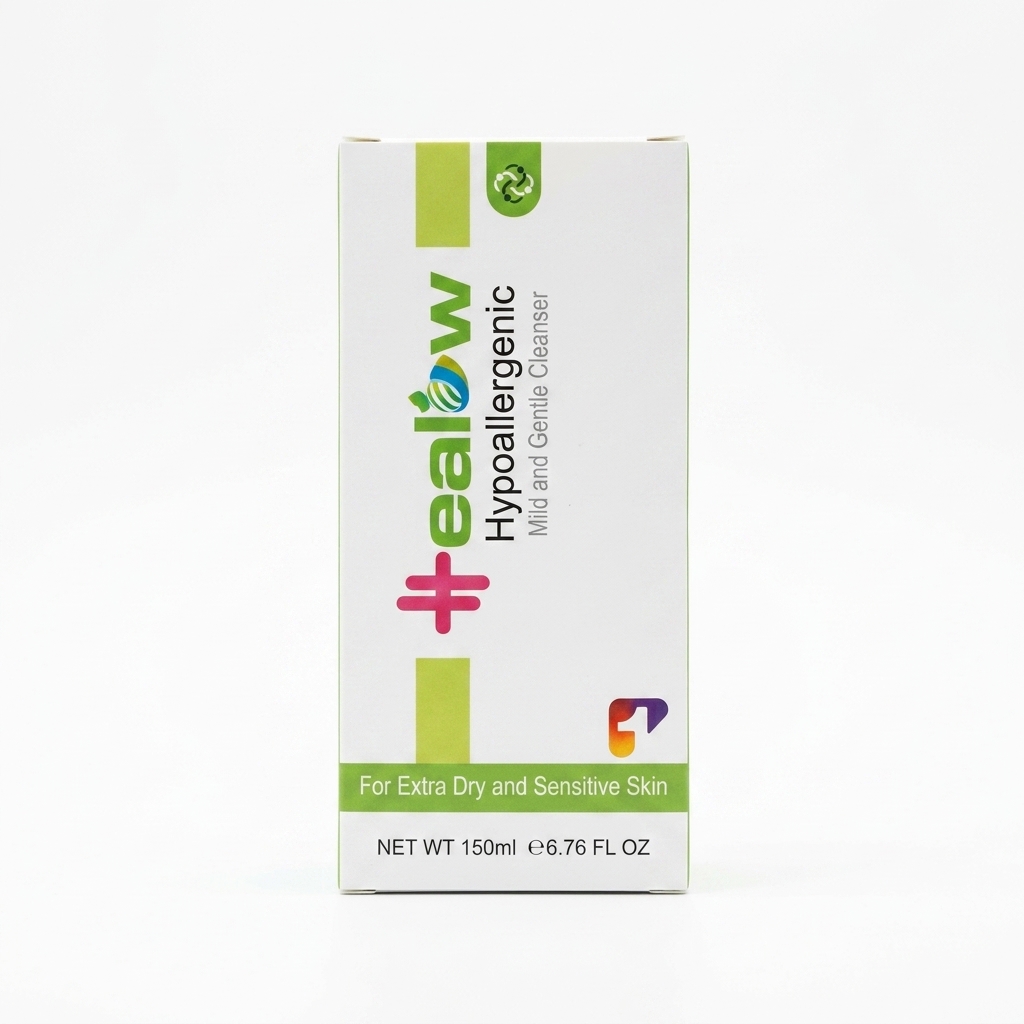
Healow Gentle Cleanser
Fragrance-free, sulfate-free, and pH-balanced. The only type of cleanser appropriate while the barrier is healing. Removes impurities without stripping the lipid layer.
View Product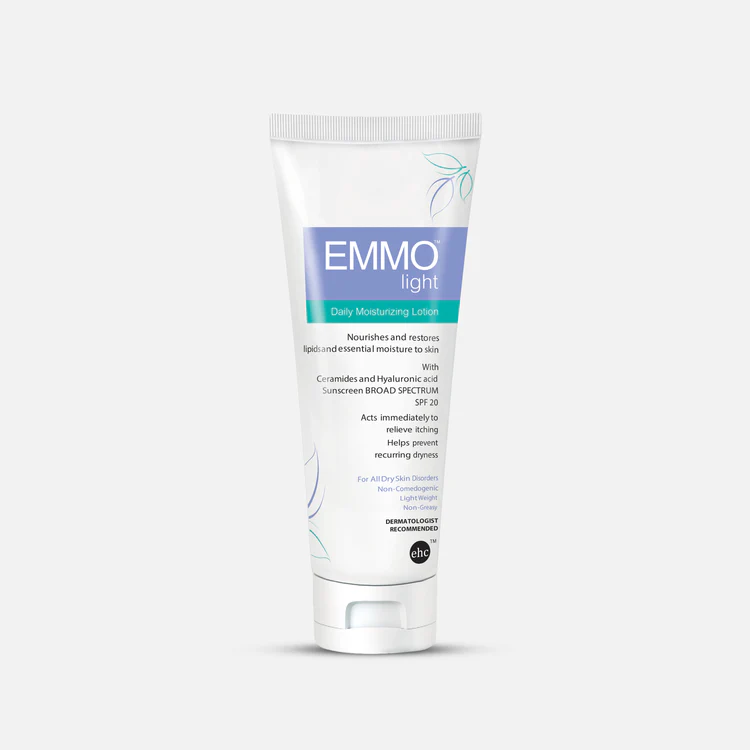
Emmo Light Moisturizing Lotion
A lightweight, active-free, fragrance-free lotion ideal for the barrier repair phase. No actives, no fragrance, no essential oils. Supports the barrier without adding any new trigger ingredient.
View Product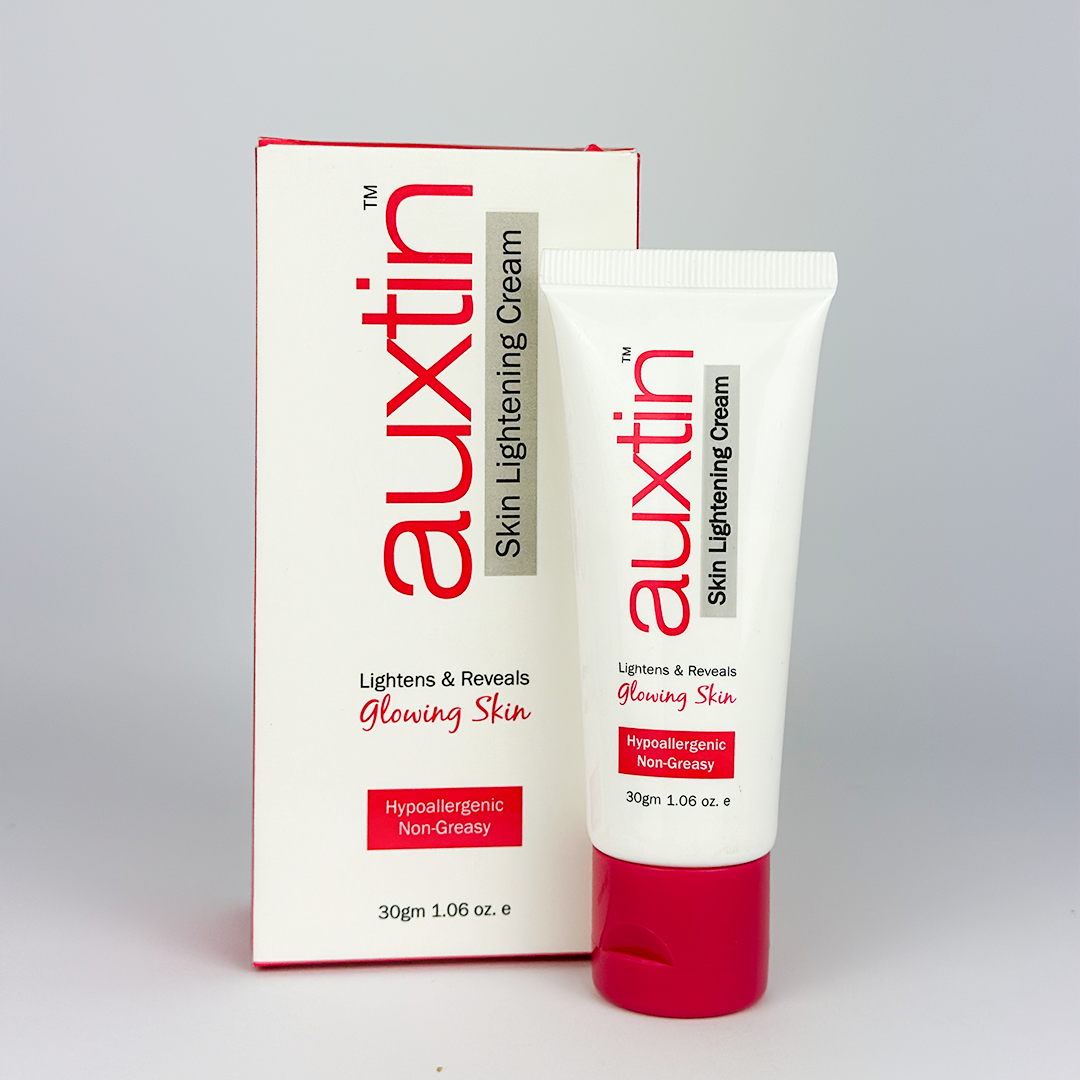
Auxtin Lightening Serum
Once the barrier is calm and no longer stinging, introduce this niacinamide and alpha arbutin serum in the morning to address any post-inflammatory marks. Do not use during the active repair phase.
View Product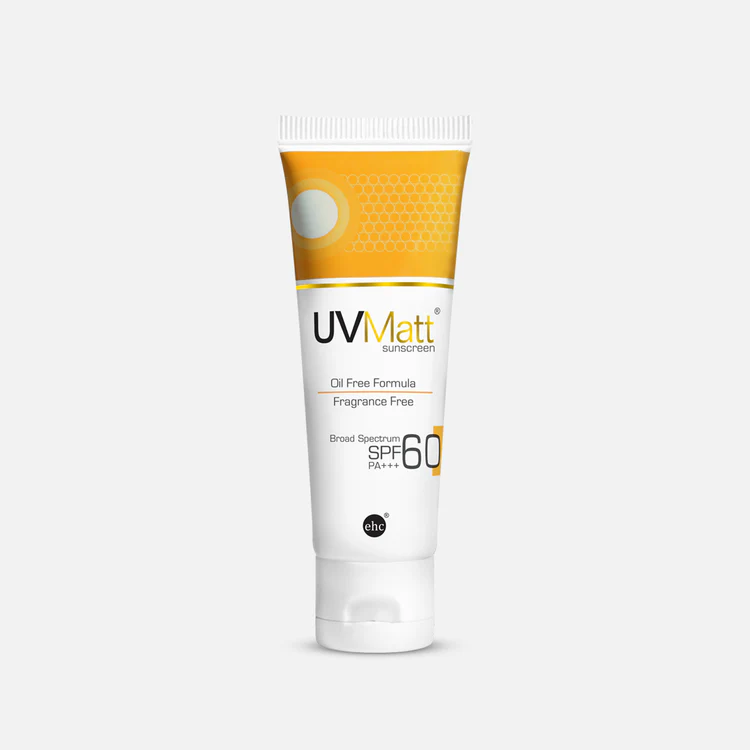
UV Matt SPF 60 Broad Spectrum
A mineral-finish SPF 60 suited to a reactive skin barrier. Mineral filters are better tolerated than chemical ones on compromised skin. Non-comedogenic, matte, and broad-spectrum.
View Product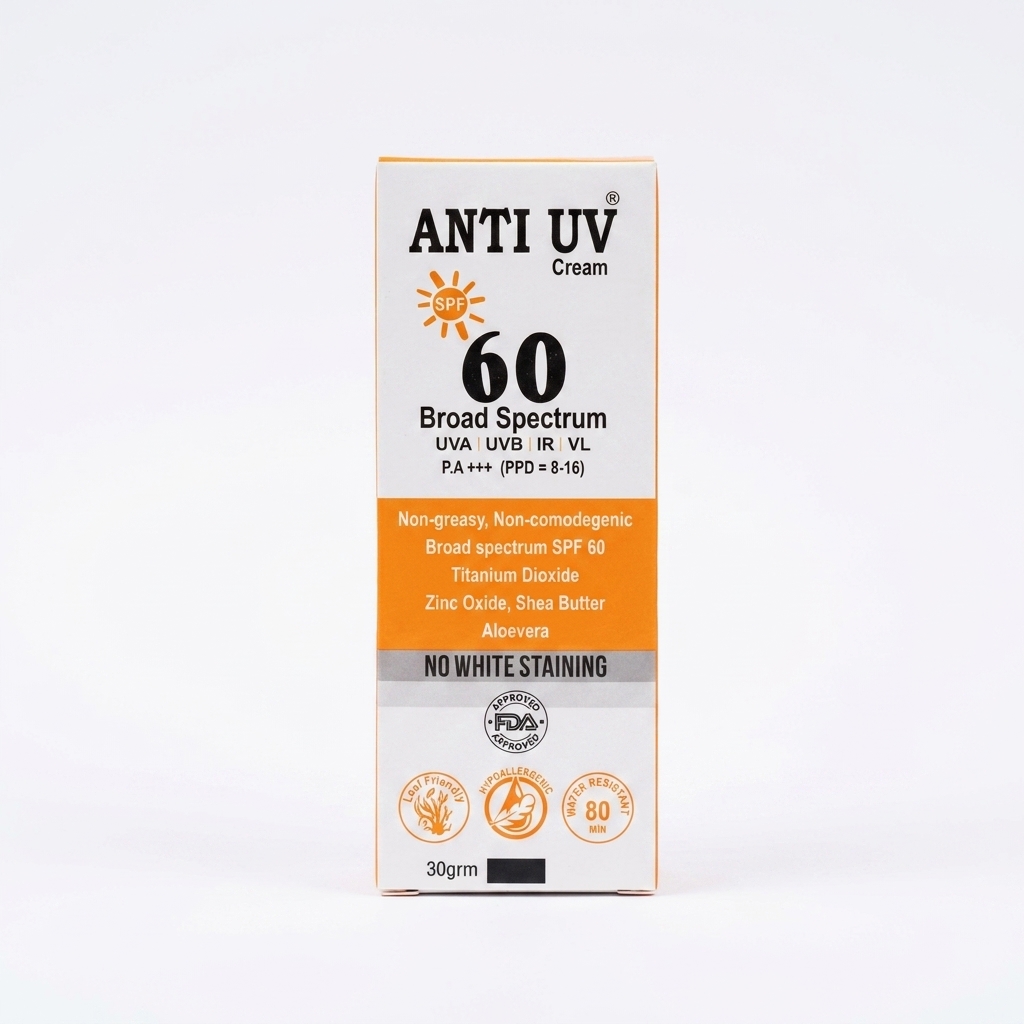
Anti-UV Cream
Broad-spectrum daily sun protection in a lightweight, non-comedogenic formula. A reliable everyday SPF for use throughout the repair phase and beyond.
View Product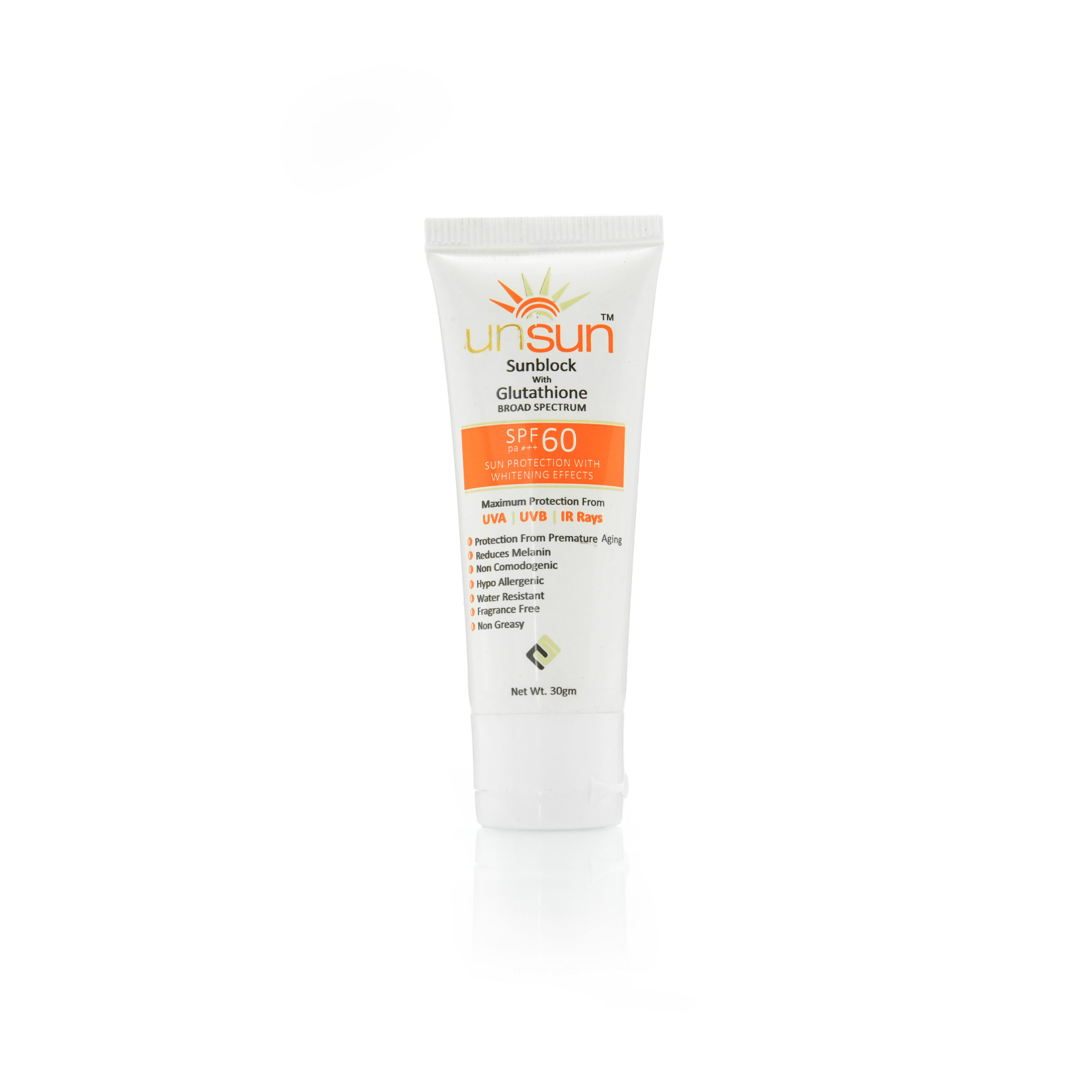
Unsun Sunblock with Glutathione
SPF protection combined with glutathione for brightening. For use once the barrier is fully repaired. Addresses pigmentation alongside daily UV defence.
View ProductBarrier Recovery Timeline: What to Expect
Recovery Phases at a Glance
Full barrier repair can take longer than two weeks if the damage was significant or if you have an underlying condition like eczema or rosacea. Do not reintroduce actives just because the stinging stopped. The barrier is still fragile in week two. Give it the full two weeks of a simplified routine before adding anything new.
When to See a Dermatologist
Most cases of moisturiser stinging resolve within one to two weeks of a simplified routine. Some do not. These are the signs that mean at-home care is not enough.
Burning or stinging that does not improve after a few days of a bland, simplified routine. Swelling, hives, or a spreading rash. Skin that is becoming increasingly red, hot, or painful. Signs of possible infection: oozing, crusting, or yellow or green discharge. Stinging accompanied by fever or feeling unwell. A history of eczema, rosacea, or psoriasis that is now flaring. These are not signs of a simple stressed barrier. They need professional evaluation.
At your appointment, your dermatologist will take a history of your symptoms, products, and timeline. They will examine the skin visually and may suggest patch testing to identify specific allergens. They can offer prescription barrier-repair creams or short-term topical steroids for inflammation if needed. Dermatologists see this problem very frequently. Early evaluation prevents weeks of unnecessary guesswork.
Frequently Asked Questions
The Sting Is Fixable. Here Is Where to Start.
Your skin is not broken. The barrier is stressed, and it is asking for less, not more. Stop everything that could be compounding the damage. Actives, fragrance, exfoliants, all of it. Give your skin two ingredients: a gentle cleanser and a bland, barrier-supporting moisturiser.
Begin with the Healow Gentle Cleanser and the Emmo Light Moisturizing Lotion. Use them and nothing else for at least 72 hours. Run the 3-day sting test. Most barriers show a clear response within that window. Protect the skin from UV every morning with a mineral-filter SPF — the UV Matt SPF 60 or the Anti-UV Cream. Once the stinging is gone and the skin feels calm again, reintroduce your actives one at a time, slowly, with patience.
If the stinging does not improve within a few days, or if you develop hives, swelling, or spreading redness, see a dermatologist. You deserve a clear answer, not more guesswork.
— Dr. Kiran Shaheer, Aesthetic Doctor, Islamabad