
Why Summer Specifically Causes More Hair Fall
Your hair grows in cycles. Each strand goes through a growth phase, a rest phase, and then a shedding phase. Heat disrupts this cycle.
When temperatures rise, your scalp sweats more. That sweat mixes with sebum, pollution, and product buildup. This creates a layer on the scalp that blocks follicles. Blocked follicles cannot breathe or absorb nutrients properly. Over time, this weakens the root and the strand falls out earlier than it should.
On top of that, UV radiation from the sun directly damages the hair shaft. It breaks down the protein structure of each strand. Hair becomes brittle, snaps easily, and sheds more than usual. This is not a disease. This is your scalp reacting to its environment.
The Four Main Causes of Summer Hair Fall
1. Scalp Buildup from Sweat and Oil
Pakistan’s summer heat pushes your scalp sebaceous glands into overdrive. Excess oil and sweat accumulate fast. When you do not wash often enough, this buildup sits on the scalp for hours. It clogs follicle openings and creates the ideal environment for bacteria and dandruff to grow.
Dandruff in summer is very common. It causes itching, inflammation, and weakened roots. Many patients who come to my clinic complaining of hair fall in June or July actually have an underlying scalp inflammation problem, not a hair problem.
2. Sun Damage to the Hair Shaft
Most people know that sun damages skin. Fewer people think about what it does to hair. UV rays break down keratin, which is the protein that gives hair its strength. Hair exposed to direct sunlight for extended periods becomes dry, porous, and weak. Weak strands snap at the shaft or shed from the root with very little force.
3. Heat and Dehydration
When your body is dehydrated, it prioritises water for vital organs first. Hair follicles are not a priority. They receive less hydration, which affects the hair growth cycle. Follicles that do not receive adequate nutrients and water shift into the resting phase sooner. In Pakistan’s summer, mild dehydration is extremely common.
4. Nutritional Deficiency After Ramazan or Illness
Irregular eating patterns, low protein intake, and disrupted sleep all affect hair health. Hair follicles need consistent protein, iron, zinc, and B vitamins to produce healthy strands. When the body experiences even a few weeks of nutritional stress, the hair growth cycle registers it two to three months later as increased shedding.
How to Know If It Is Normal Shedding or Something More
Losing 50 to 100 strands per day is within the normal range. In summer, you may lose slightly more and that is still usually normal.
See a doctor if you notice: visible thinning at the crown or temples, bald patches forming, or consistent shedding of more than 150 strands per day for more than four weeks. The cause could be a thyroid issue, iron deficiency anaemia, or hormonal imbalance that needs clinical attention.
For the large majority of people reading this, summer hair fall is seasonal and manageable at home with the right habits.
How to Stop Summer Hair Fall
Keep Your Scalp Clean
Wash your hair two to three times a week in summer. The goal is to remove sweat, oil, and product buildup before it settles into follicles. Use a gentle, anti-dandruff shampoo if you see flaking or feel itching. Dandruff worsens hair fall. Controlling scalp inflammation is the first step toward reducing shedding.
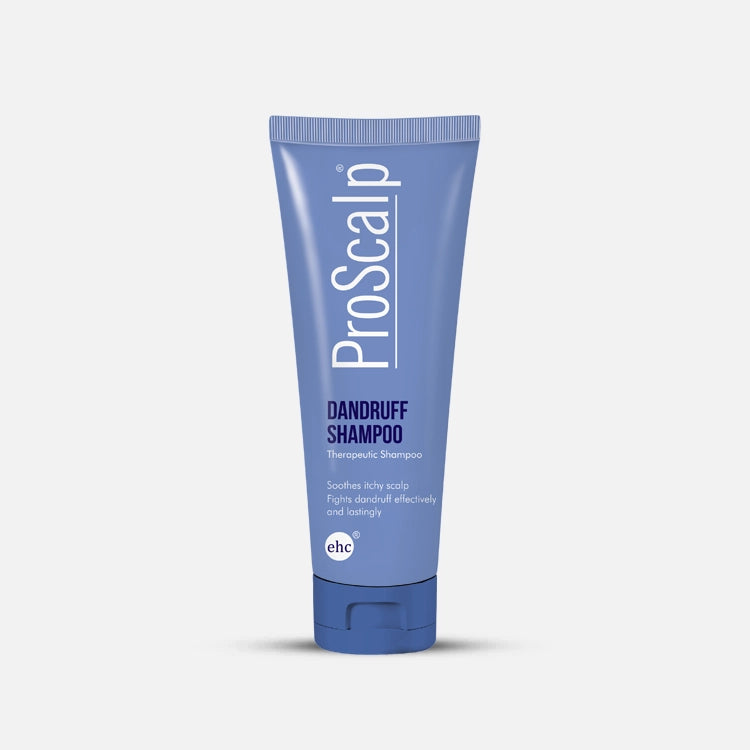
The ProScalp Anti-Dandruff Shampoo clears buildup, controls dandruff, and supports a healthier scalp environment without stripping moisture. Do not scratch your scalp aggressively. Use your fingertips, not nails, when shampooing.
Protect Your Hair from the Sun
Cover your hair when you go outside. A light scarf or cap is enough. This simple habit significantly reduces UV damage to your hair shaft. Avoid blow drying on high heat. After washing, let hair air dry when possible.
Drink More Water Than You Think You Need
Aim for at least 2.5 to 3 litres of water per day in summer. Hydration directly supports the scalp’s ability to circulate nutrients to follicles.
Eat for Hair Growth
Your hair is made of protein. Prioritise eggs, lentils, yoghurt, fish, and chicken. Iron-rich foods like spinach and red meat support the oxygen supply to follicles. Zinc and biotin found in nuts, seeds, and whole grains also matter.
Use a Hair Growth Serum
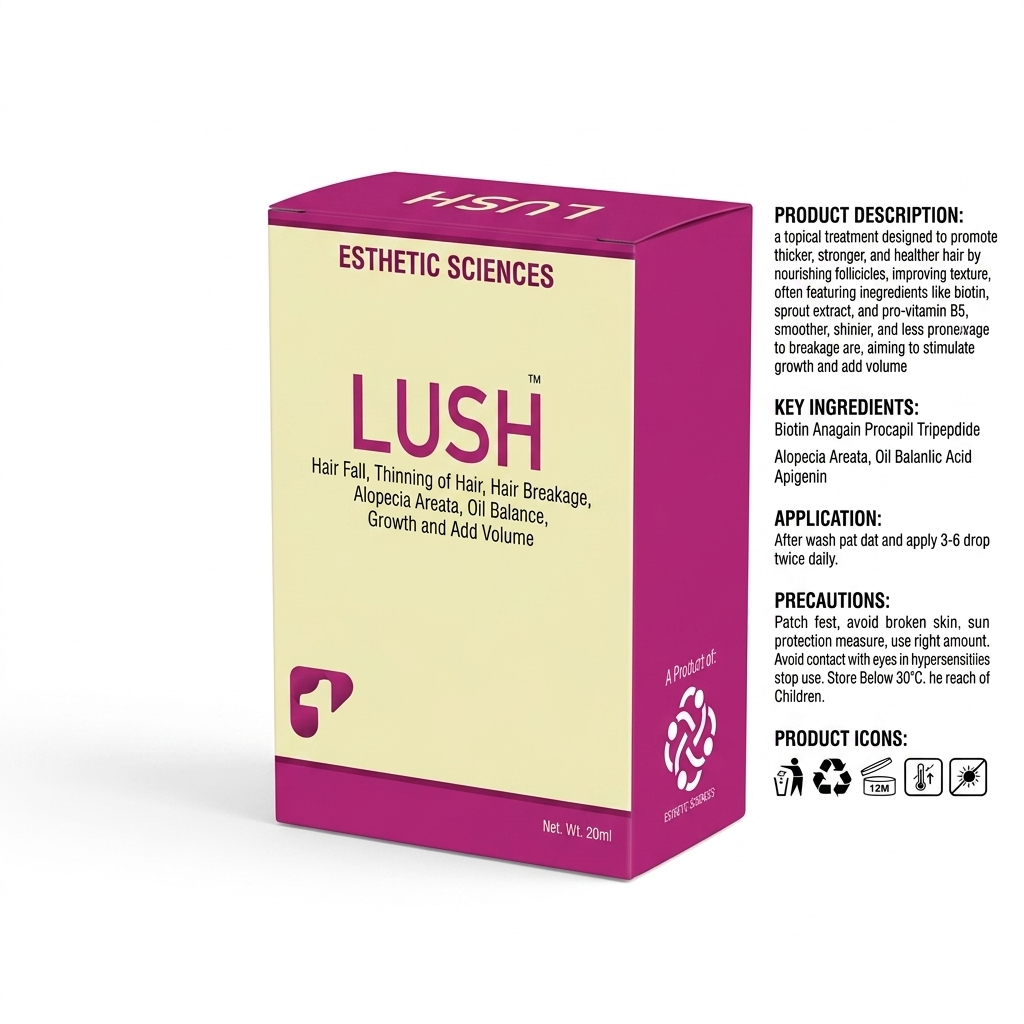
A good serum applied to the scalp nourishes follicles directly. It bypasses the outer shaft and works at the root level. The Lush Hair Growth Serum targets weak, thinning follicles and supports the natural growth cycle. Apply it to the scalp three to four nights per week after washing. Commit to at least eight weeks to see a visible difference.
A Simple Summer Hair Care Routine
No complicated 10-step routine. Just consistent, targeted care.
- Wash hair 2 to 3 times per week with a scalp-appropriate shampoo.
- Apply a lightweight conditioner only to the mid-lengths and ends. Not the scalp.
- Let hair air dry. Avoid high-heat tools.
- Apply hair growth serum to the scalp on wash nights before bed.
- Cover hair before going outdoors in peak sun hours (10 AM to 4 PM).
- Drink water consistently throughout the day — aim for 2.5 to 3 litres.
Frequently Asked Questions
No. Seasonal hair fall in summer is almost always temporary. Once the underlying causes are addressed, hair usually returns to its normal shedding rate within six to eight weeks.
Light oiling once a week before washing is fine. Heavy oil application left on the scalp for long hours can worsen buildup and attract dust. Rinse it out within one to two hours.
Yes. Dandruff causes scalp inflammation. Chronic inflammation weakens the follicle over time, which leads to increased shedding. Treating dandruff directly reduces hair fall in many patients.
Iron, Vitamin D, Biotin (B7), and Zinc are the most common deficiencies linked to hair fall in Pakistani patients. If shedding is severe or prolonged, get a blood test to rule these out.
With consistent scalp care, diet improvements, and a good serum, most people see reduced shedding within four to six weeks. Visible regrowth takes longer, usually three to four months.
The Bottom Line
Summer hair fall is real. It is caused by heat, sweat, UV exposure, dehydration, and nutritional gaps. It is not a permanent condition for most people.
The solution is not one expensive product. It is consistent scalp hygiene, protection from sun, good hydration, and targeted treatment with the right shampoo and serum. Start with the basics this week. You will notice a difference.
Browse doctor-recommended hair products curated by Dr. Kiran Shaheer for Pakistan’s climate.
Shop Hair Products