
That dark spot staring back at you in the mirror is one of the most common skin frustrations in Pakistan. The heat in Lahore, the dust in Rawalpindi, the UV intensity across Islamabad — all of it makes acne marks worse here than almost anywhere else. Nearly 1 in 3 young Pakistanis deal with moderate to severe acne. And almost all of them are left with marks long after the pimple is gone.
The good news is that acne marks are not permanent. They can fade — with the right care, the right ingredients, and consistency. As a skin specialist at our Aesthetic Clinic in B-17 Islamabad, I see this every day. Patients come in frustrated after using random fairness creams that made things worse. They leave with a clear, simple plan that works. This guide gives you that plan.
What Are Acne Marks? And Why They Stay So Long
Acne marks are not scars. This is an important difference that changes your entire treatment approach.
A mark — also called post-inflammatory hyperpigmentation (PIH) — is a flat, dark spot. It forms when a healing pimple causes the skin to produce extra melanin in that area. There is no damage to skin texture. No pitting. Just discoloration. A scar, on the other hand, involves textural change — pitting, raised bumps, or lost collagen.
Most people in Pakistan have PIH marks, not true scars. That is actually good news. PIH marks respond well to home care.
5 Rules Before You Start Any Remedy
Follow these first. Skipping them reduces every remedy’s effectiveness by half.
8 Home Remedies to Remove Acne Marks in Pakistan
These remedies use ingredients easy to find across Pakistan. Most are already in your kitchen or garden.
1Aloe Vera (ایلوویرا)
Aloe vera is one of the most effective natural treatments for acne marks. It contains a compound called aloesin that slows melanin production. It also soothes inflammation and supports skin repair from within.
2Turmeric — Haldi (ہلدی)
Haldi is a staple in every Pakistani kitchen and one of the most researched natural remedies for dark marks. Its active ingredient, curcumin, reduces inflammation, blocks excess melanin, and boosts collagen for skin repair.
3Neem (نیم)
Neem is a natural antiseptic that kills acne-causing bacteria and helps fade the marks left behind. It is especially useful for oily and acne-prone skin — which is very common in Pakistan’s humid climate.
4Besan — Gram Flour (بیسن)
Besan has been used in South Asian skincare for generations. It brightens the skin, gently exfoliates dead cells, and reduces pigmentation. It suits all skin types and is safe for regular use.
5Potato Juice (آلو کا رس)
Potato juice contains enzymes, Vitamin C, and catecholase — compounds that brighten skin, reduce pigmentation, and gently remove dead skin cells. A simple ingredient with real results.
6Honey and Cinnamon (شہد + دار چینی)
Honey is a natural antibacterial agent. Cinnamon has antimicrobial properties. Together, they reduce residual bacteria and lighten the appearance of acne marks while deeply moisturizing the skin.
7Green Tea (گرین ٹی)
Green tea is rich in catechins — compounds that are anti-inflammatory and antimicrobial. It reduces oiliness, lightens marks, and helps prevent new breakouts. Works well as a light daily toner.
8Apple Cider Vinegar (سیب کا سرکہ)
ACV balances your skin’s pH and reduces bacteria that cause both pimples and post-acne marks. It is potent, so treat it with care and always dilute before applying.
Doctor-Recommended Products for Faster Results
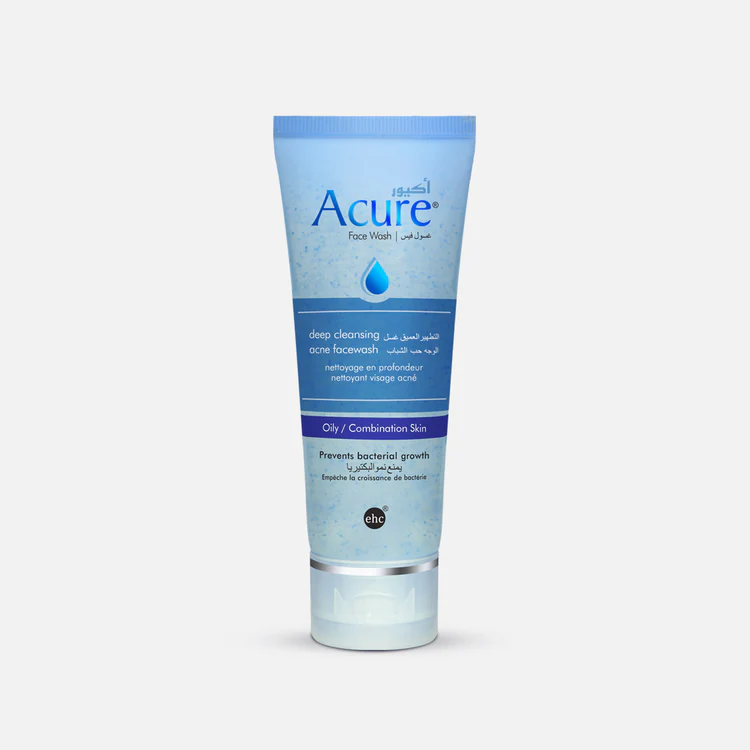
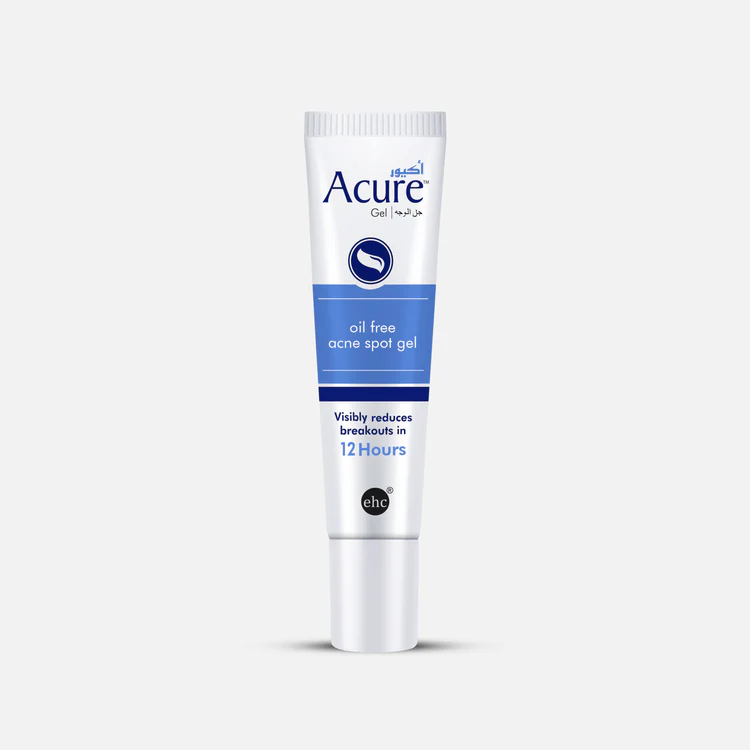
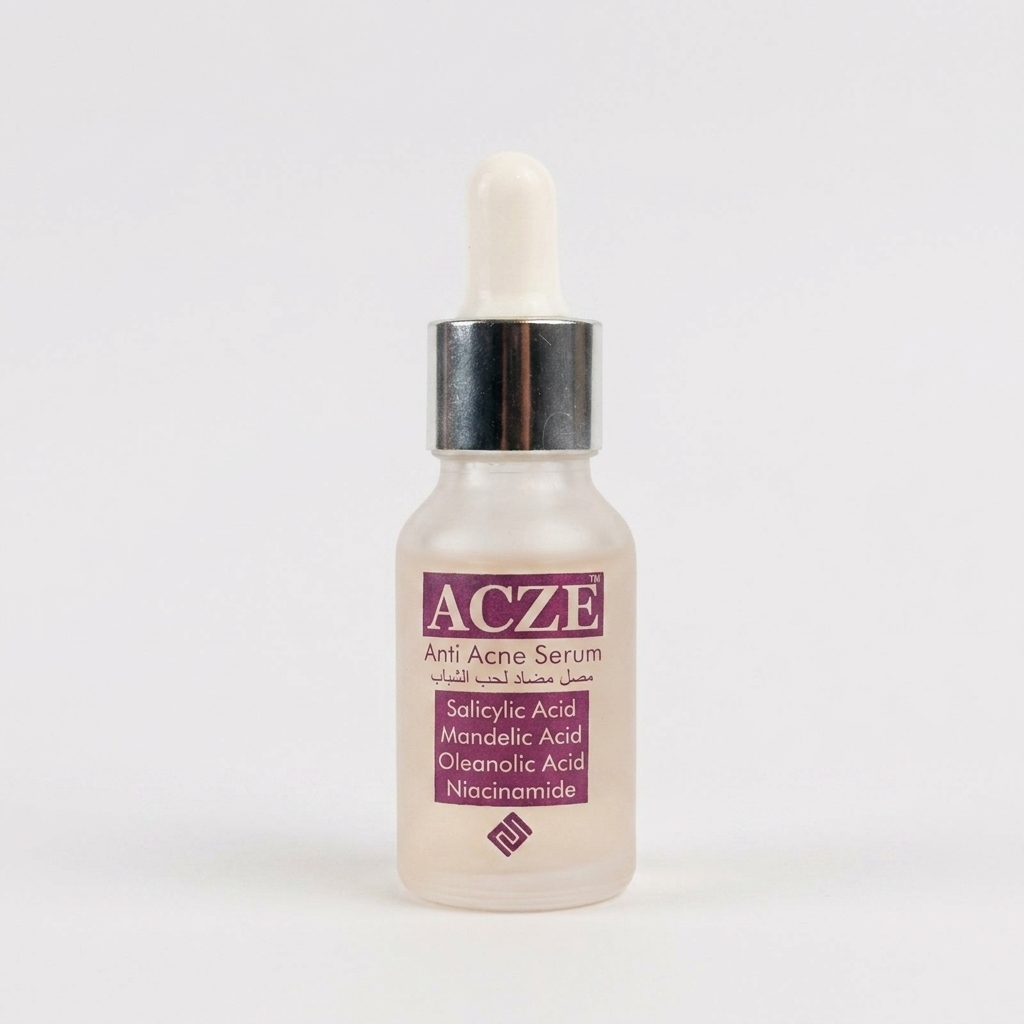
Home remedies work well for mild marks. Combining them with the right products speeds up results significantly. These are the products I personally recommend at our Aesthetic Clinic in Islamabad.
Your Daily Skincare Routine to Fade Acne Marks
Consistency is what separates people who see results from people who don’t. Follow this every single day.
- 1Gentle anti-acne face wash
- 2Niacinamide or Vitamin C serum on marks
- 3Light, non-comedogenic moisturizer
- 4SPF 30+ sunscreen — never skip this
- 1Double cleanse to remove oil and pollution
- 2Home remedy on marks (aloe, neem, or turmeric)
- 3Light gel-based moisturizer
- 4Spot treatment on active pimples only
Lifestyle Habits That Help Marks Fade Faster
Skin reflects what is happening inside your body. These habits directly affect how fast your marks fade.
- ✔Drink 8 to 10 glasses of water daily. Hydration helps skin flush toxins and build healthy new cells.
- ✔Reduce fried, oily, and junk food. These increase sebum production and worsen acne breakouts.
- ✔Eat more fruits, vegetables, and dairy. They provide the vitamins your skin needs to repair itself.
- ✔Get 7 to 8 hours of sleep every night. Skin renews itself during sleep cycles.
- ✔Cover your face from dust and smoke when outside. Pollution triggers inflammation, which darkens marks.
- ✔Manage stress. In Pakistani urban settings, stress is a major acne trigger most people overlook.
When to See a Dermatologist at Our Aesthetic Clinic in Islamabad
Home remedies work well for fresh, superficial marks. Some situations need professional attention.
See a specialist if your marks have not faded after 8 to 12 weeks of consistent care. Come in if you have deep pitted scars rather than flat marks — these need procedures like microneedling or chemical peels. Seek help early if your acne is severe, painful, or cystic. Treating active acne early is what prevents marks from forming in the first place.
At our Aesthetic Clinic in B-17 Islamabad, Dr. Kiran Shaheer provides medically supervised treatment for acne and post-acne marks. Every treatment plan is personalized to your skin type, mark severity, and Pakistan’s unique climate conditions.
Frequently Asked Questions
Ready for Faster, Doctor-Guided Results?
Visit our Aesthetic Clinic in B-17 Islamabad or shop our doctor-approved skincare products. Clear skin is possible — let’s get there together.